MEB 2026
Welcome!
The third Microclimate Ecology and Biogeography conference was held 1st – 5th of June 2026 in Montpellier, France.
This international event brought together a wide range of topics and experts on microclimate and its applications in ecology and biogeography.
For MEB2026, we placed a special emphasis on soil and water microclimates. But all microclimate-related research was very welcome!
Thank you very much to everyone who made this conference possible and enjoyable!
Abstracts and registration
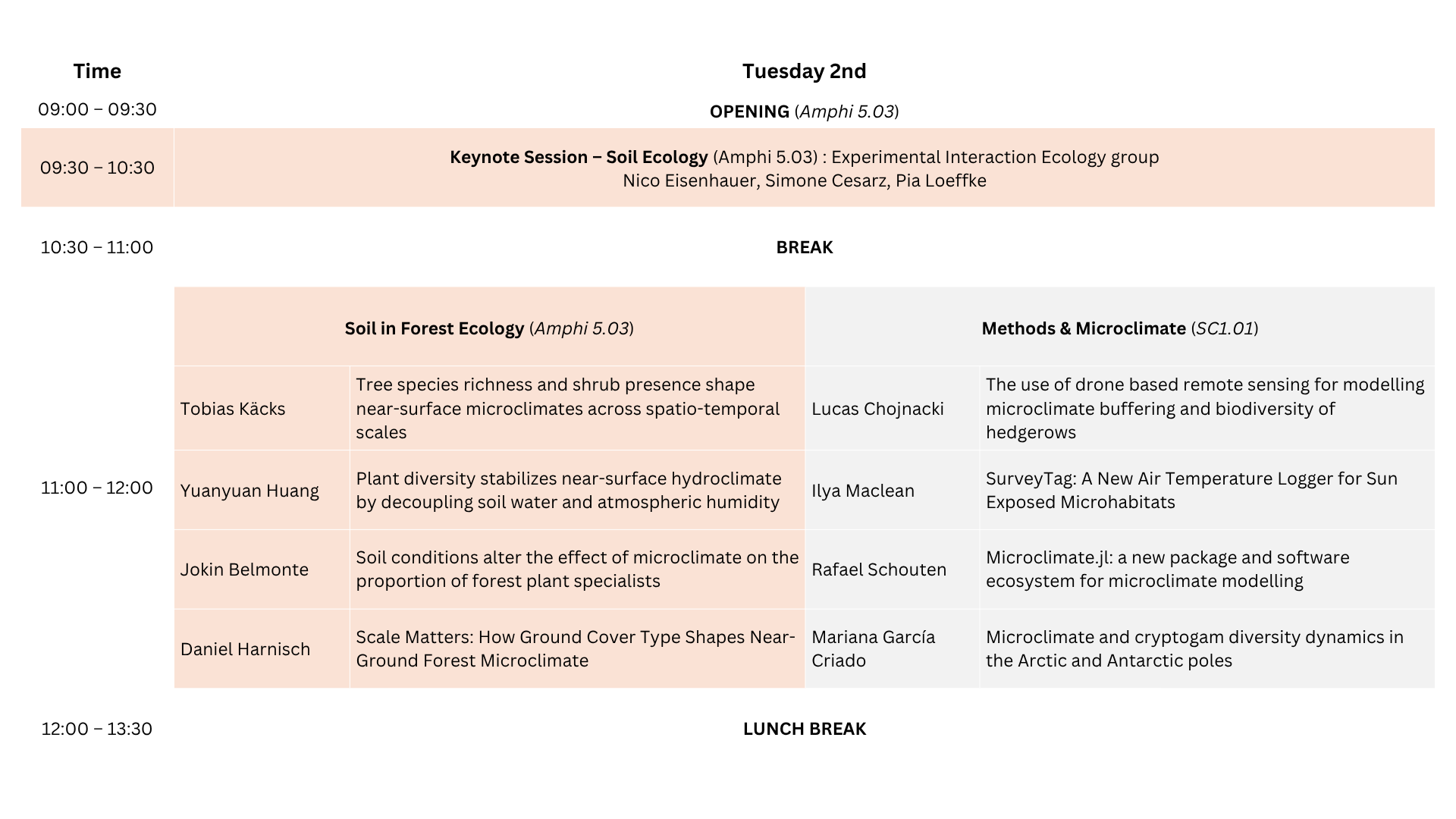
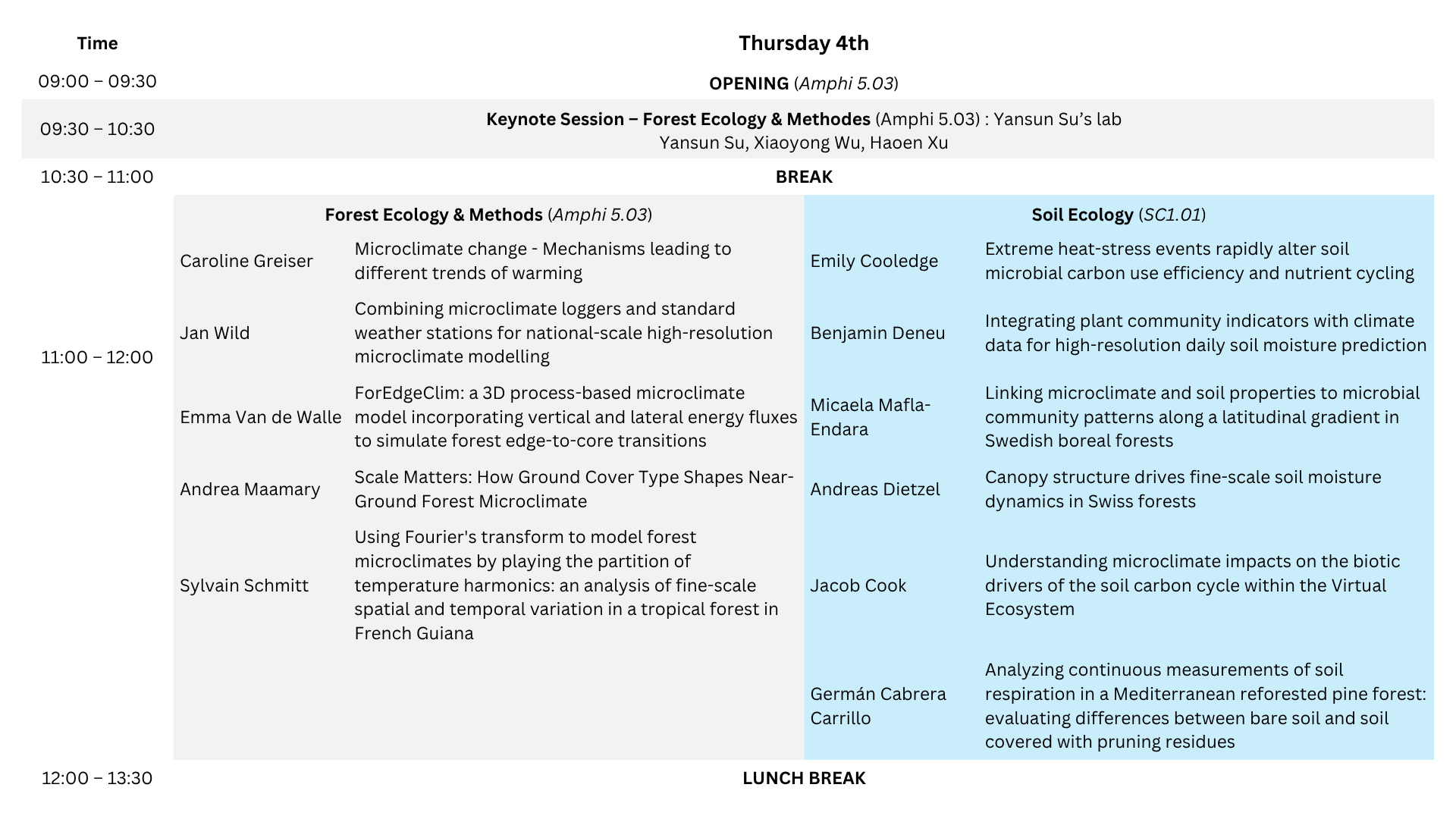
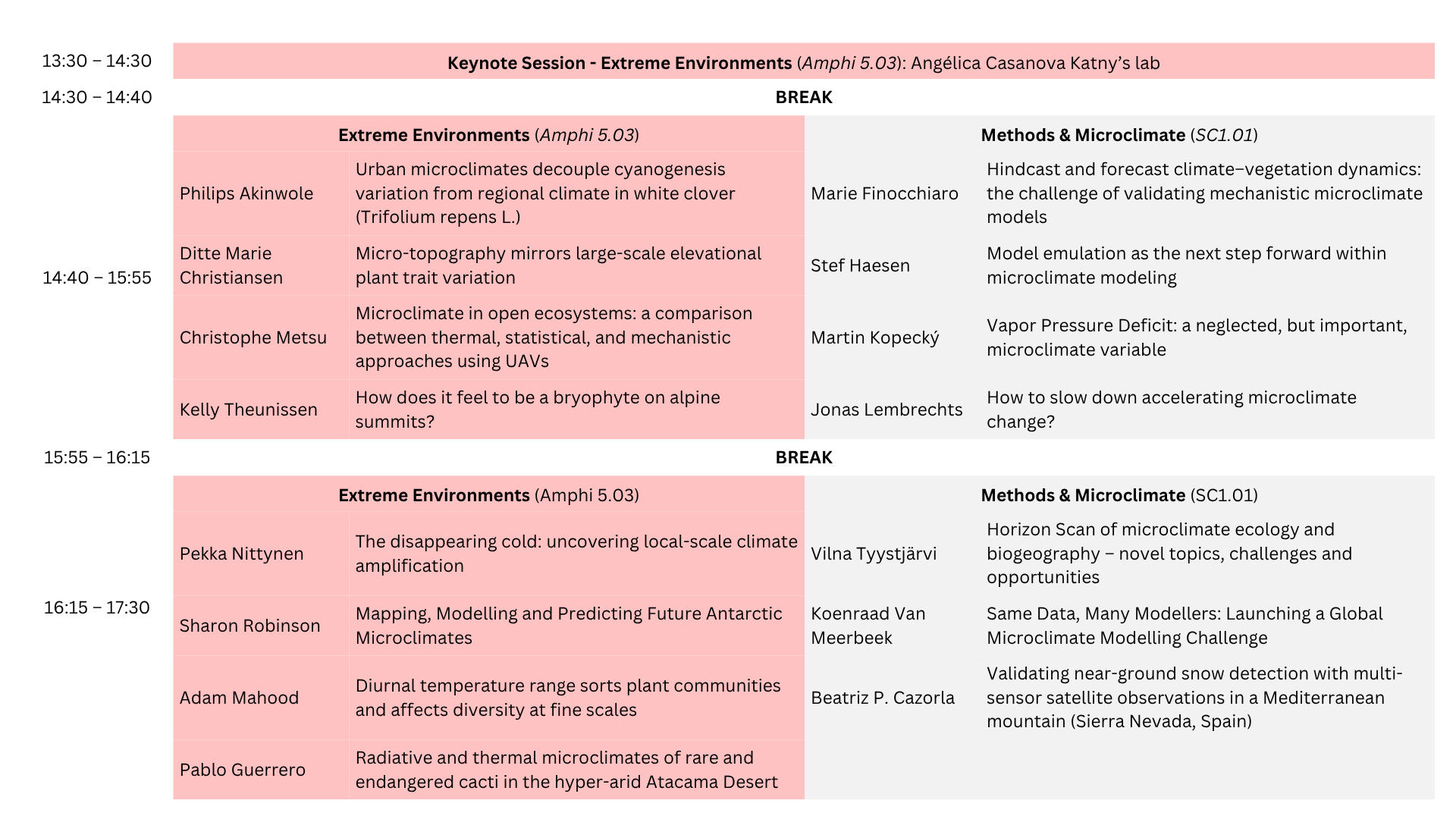
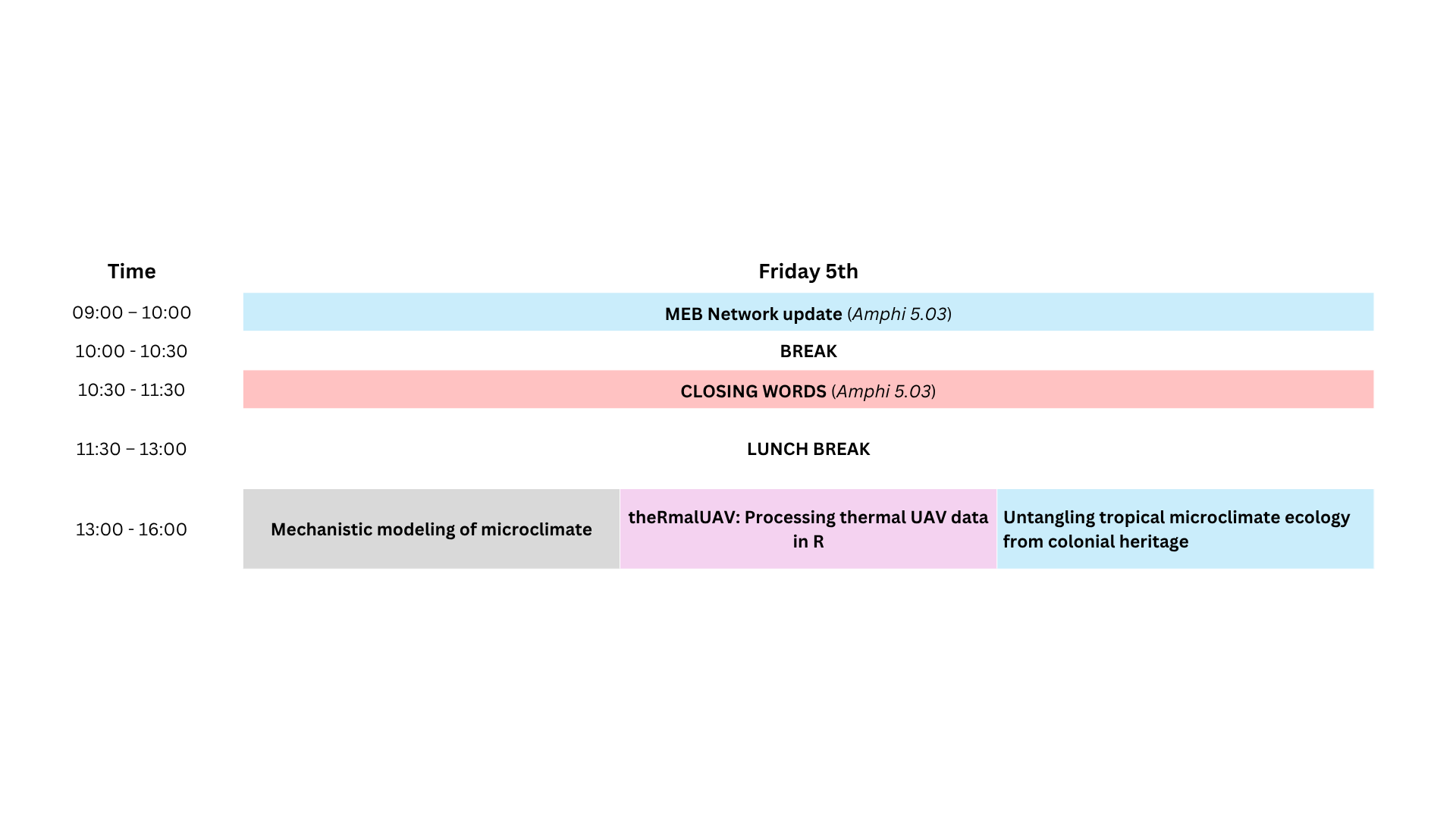
NEWS: The full Schedule with sessions and talks is ready!
Also, we updated the excursion and list of workshops, check out the dedictaed sections below.
To register to the conference, please fill in this registration form.
You can then pay the registration fee using the link provided at the end of the form. Please pay the fee as soon as you can.
The registration fees are the following: normal: 300€ / student: 150€ / online: 25€.
Participants working in low income countries (as defined by the World Bank for 2024) get a discount of -150€, or -100€ for students.
Adding the those registration fees, two extras are available: the excursion of the first day (50€) and the conference diner (50€). See below for more information.
The conference will be held hybrid (on-site and online), but presenting talks or posters requires on-site participation. Note that the online participation will not cover all talks, but only one of each parallel sessions.
Abstract submission & registration schedule
- If you would like to present a talk or poster, please submit your abstract (2000 characters max including spaces) using the registration form above, before March 1st 2026
- Otherwise, if you simply wish to attend without presenting, please register before May 15th 2026
Keynotes
We are seeking keynotes that explore aquatic, soil, forest, tropical, and urban ecology through the lens of microclimate.
Keynotes speeches will be not just one person, but a senior researcher (30 min), followed by two early-career researchers from their lab (2 x 15 min).
Here are the wonderful scientists who already accepted our invitation, some will present along with members of their lab:
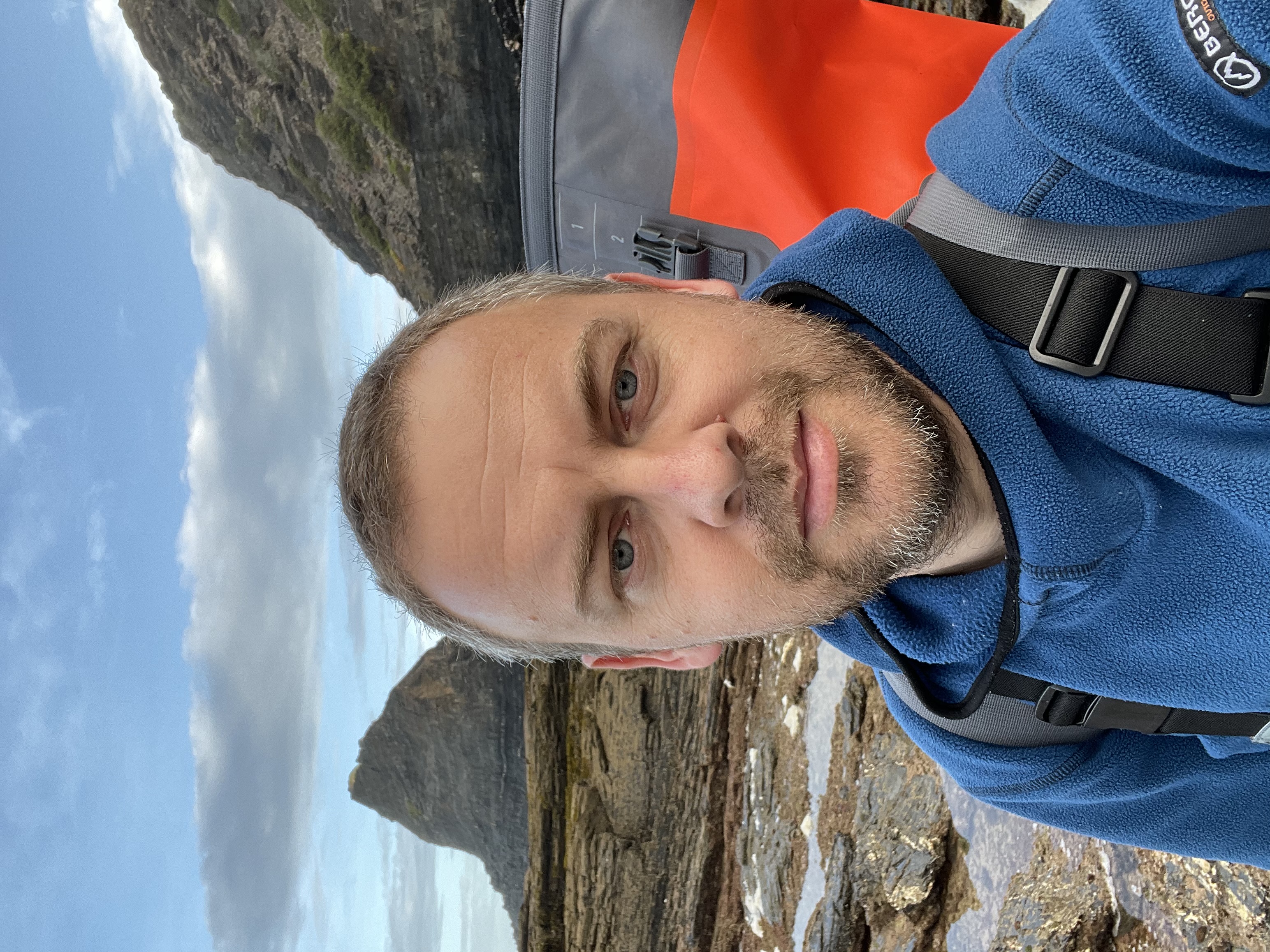
Fernando Lima is a marine scientist and group leader at CIBIO, University of Porto, Portugal. Broadly trained as a marine biologist, he has been studying the consequences of climate change on biodiversity and biogeography. His research tries to integrate processes and mechanisms that operate from the very finest to the very broadest scales. His lab integrates physiology, ecology, and climate science across scales, from individual organisms to continental patterns, and focuses primarily on rocky intertidal ecosystems, which provide exceptional natural laboratories at the interface between ocean and land. His study sites span much of the Atlantic Ocean, from the Arctic to the Antarctic, and also include locations along the Pacific and Indian Ocean coastlines.
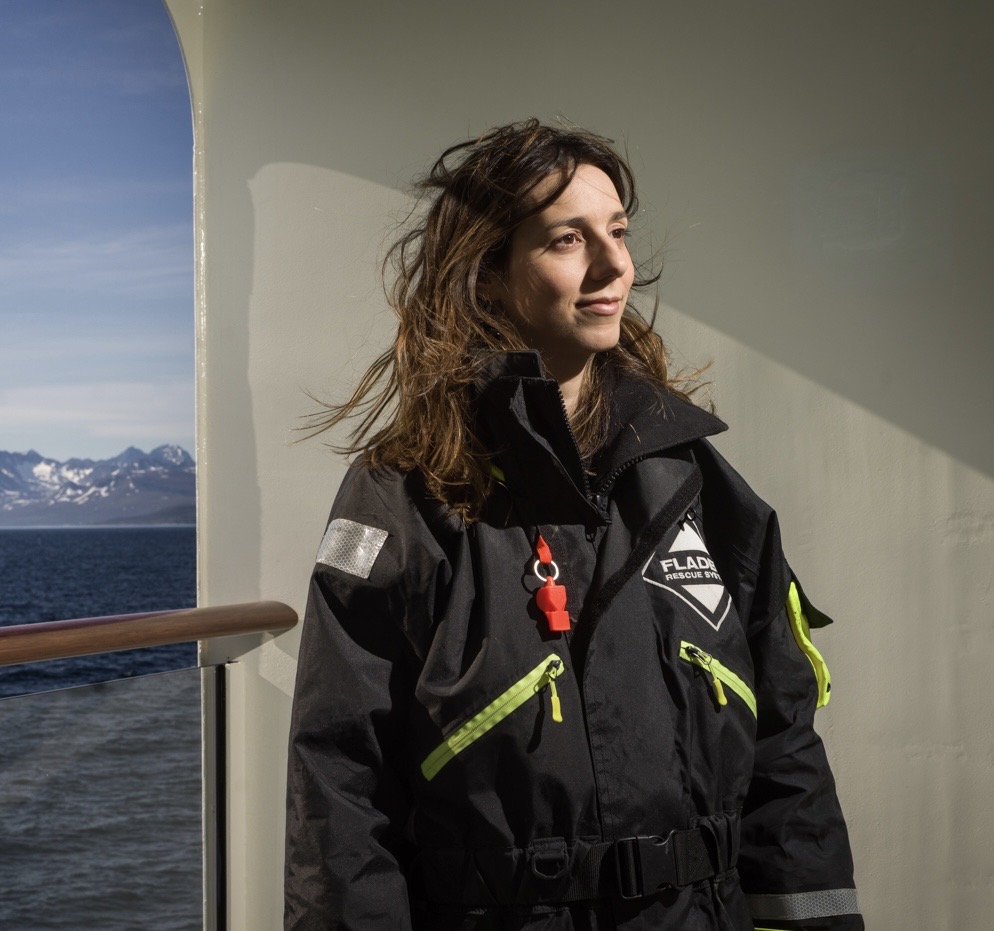
Rita da Silva works in Fernando Lima’s lab. She is a conservation scientist passionate about the power of data to drive efficient decision-making. Her research focuses on using emerging technology and globally shared information to improve knowledge of coastal ecosystems that can serve the scientific and non-scientific communities. Rita has a background in marine biology and evolving expertise in data science.
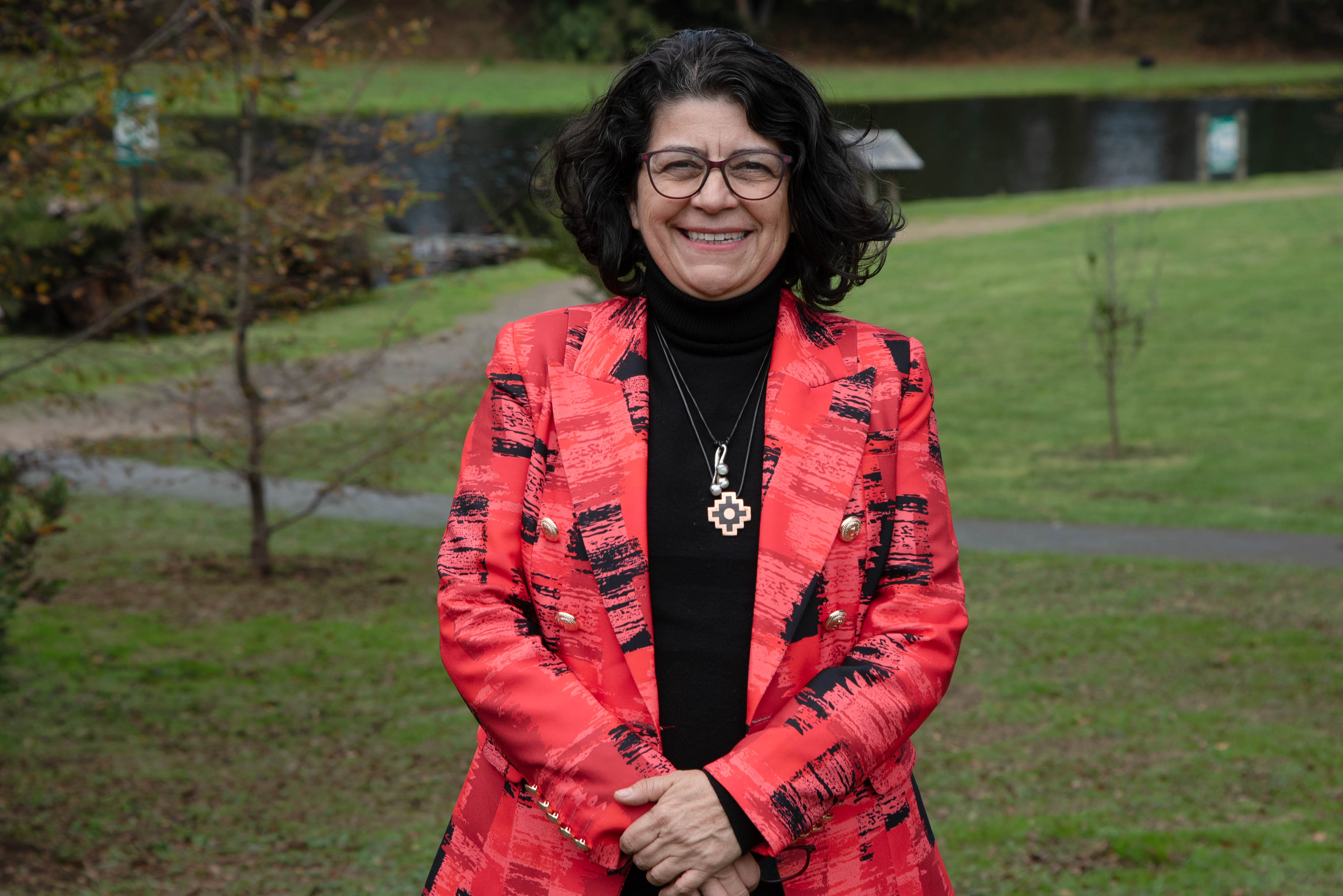
Angélica Casanova Katny is a Full Professor at Universidad Católica de Temuco. Her research focuses on plant functional ecology in extreme ecosystems, particularly Antarctica and the Andes. She has led long-term climate change studies, contributing to understanding plant adaptation mechanisms under extreme environmental conditions.
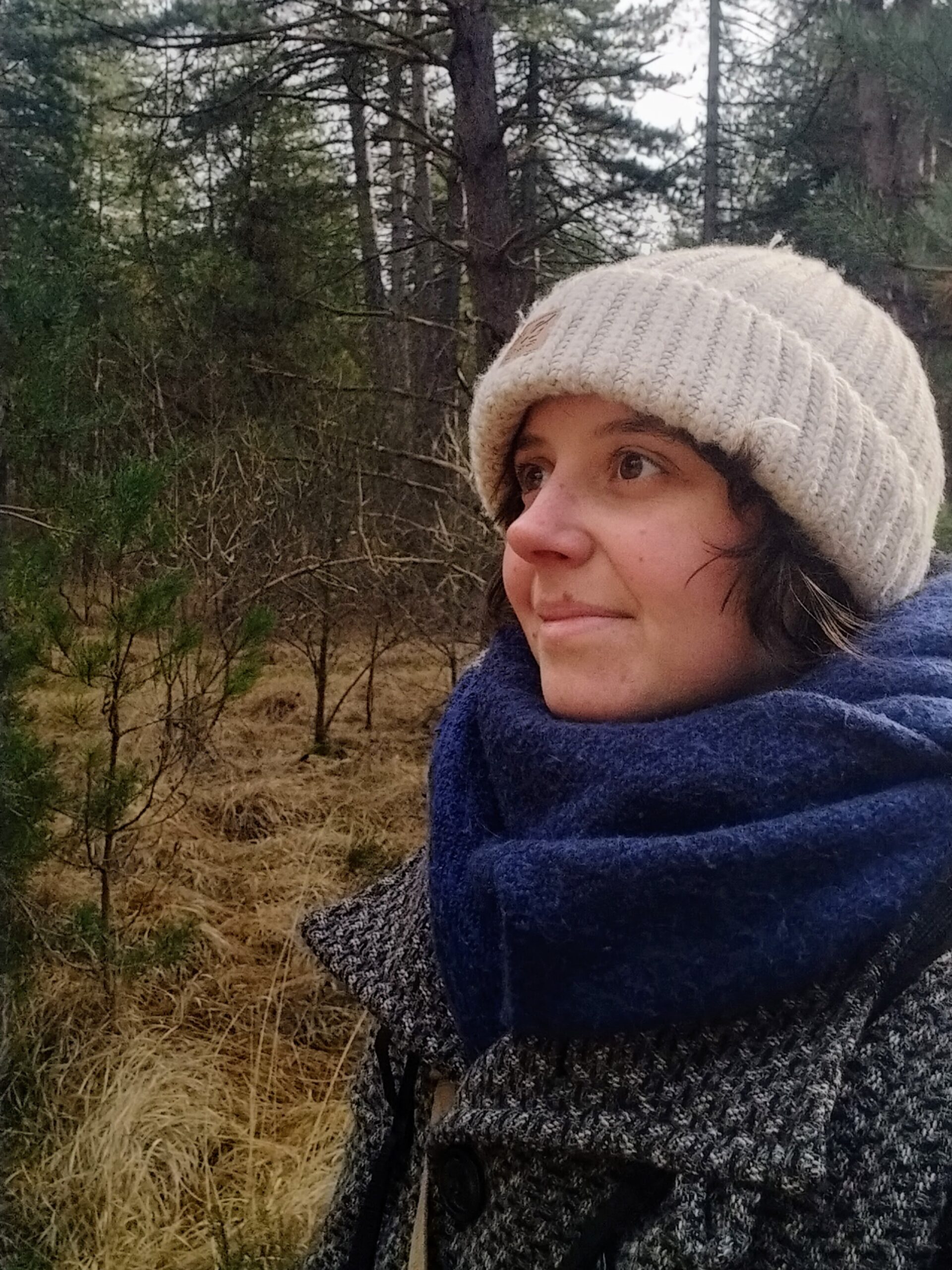
Karen De Pauw‘s research explores how plants and ecosystems respond to global change, with a particular focus on the role of microclimate in shaping biodiversity, ecosystem functioning, and tree resilience. The work combines field experiments, trait-based approaches, historical collections and spatial analyses to understand the effects of climate change and urbanization on forests and urban ecosystems. Current projects examine the vulnerability of urban trees to heat and drought stress and how contrasting microclimates—from cold forest interiors to warm cityscapes—affect biodiversity across Belgium.
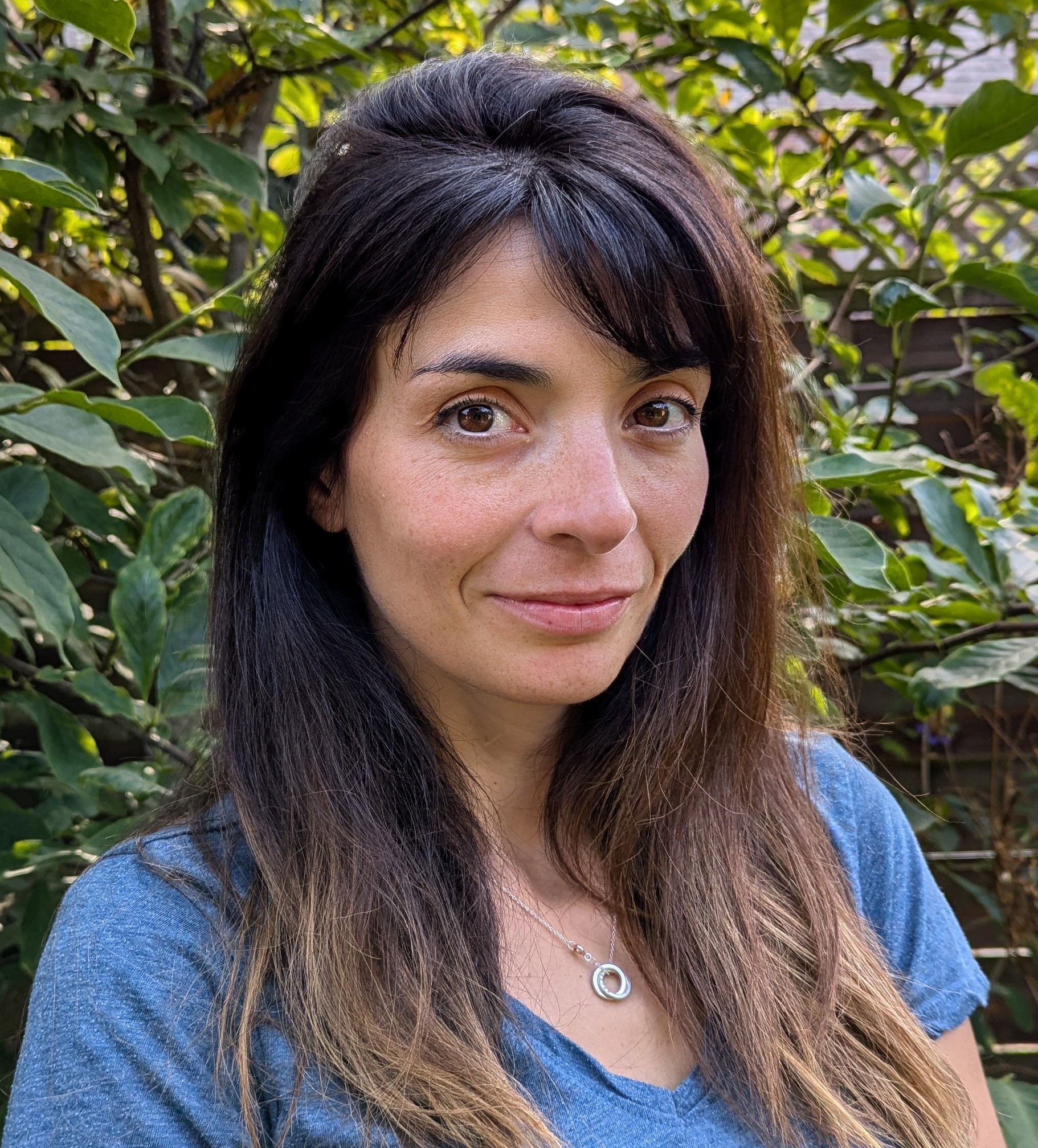
Belén Fadrique is a tropical forest ecologist working across diverse gradients and scales to understand forest dynamics. Her research focuses on how tropical forests are responding to climate change, with a special emphasis on the critical role of tropical mountains. Belén brings extensive expertise in analysing long-term datasets, elevation gradients, and integrating experimental and observational data to advance our understanding of these ecosystems.
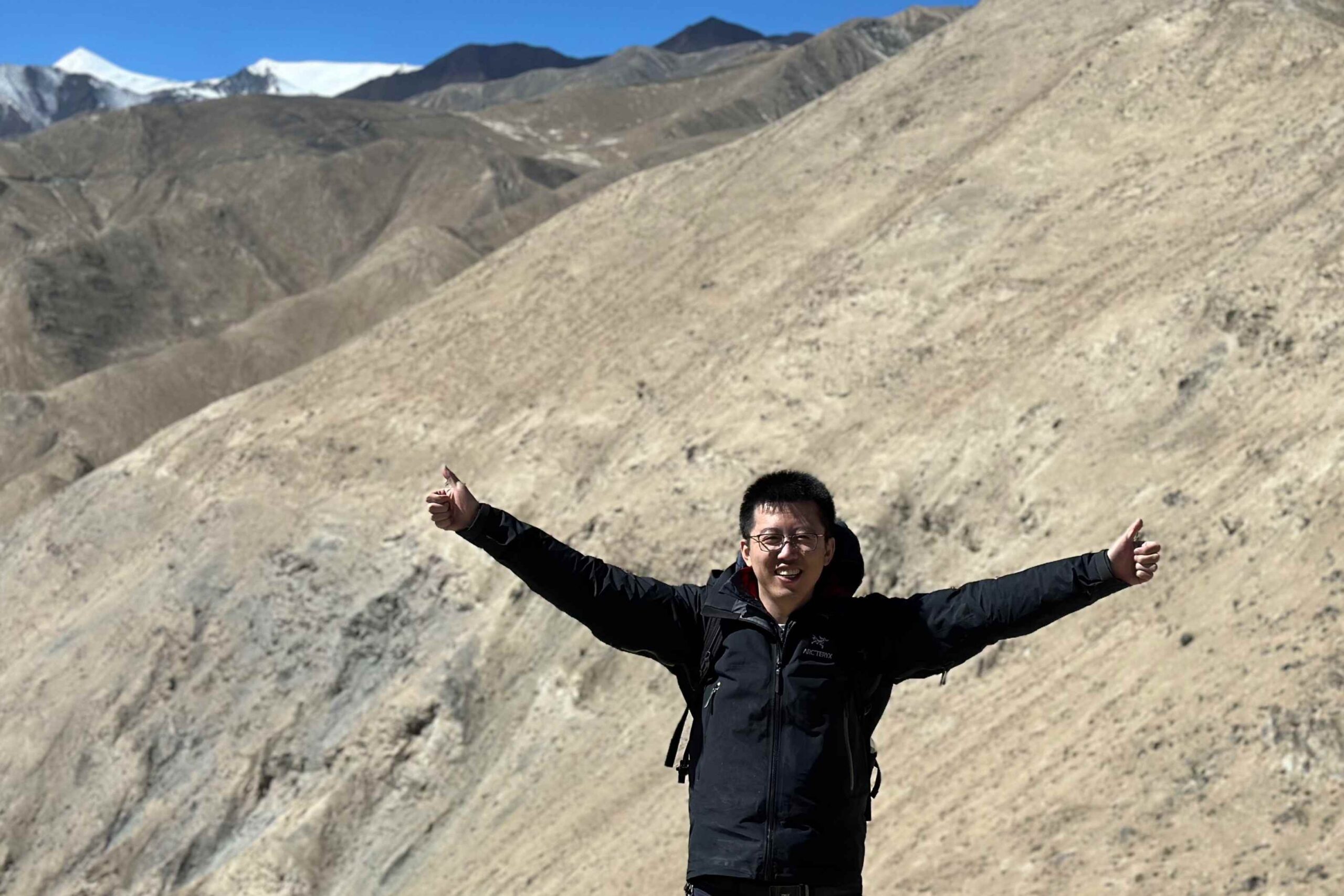
Yanjun Su specializes in multi-source remote sensing data fusion, vegetation structure reconstruction, and ecosystem modeling. His work investigates how vegetation structure interacts with microclimate, biodiversity, and disturbance to shape ecosystem dynamics, and emphasizes methodological innovation and real-world applications, providing scientific support for sustainable forest management and climate-resilient ecosystem planning.
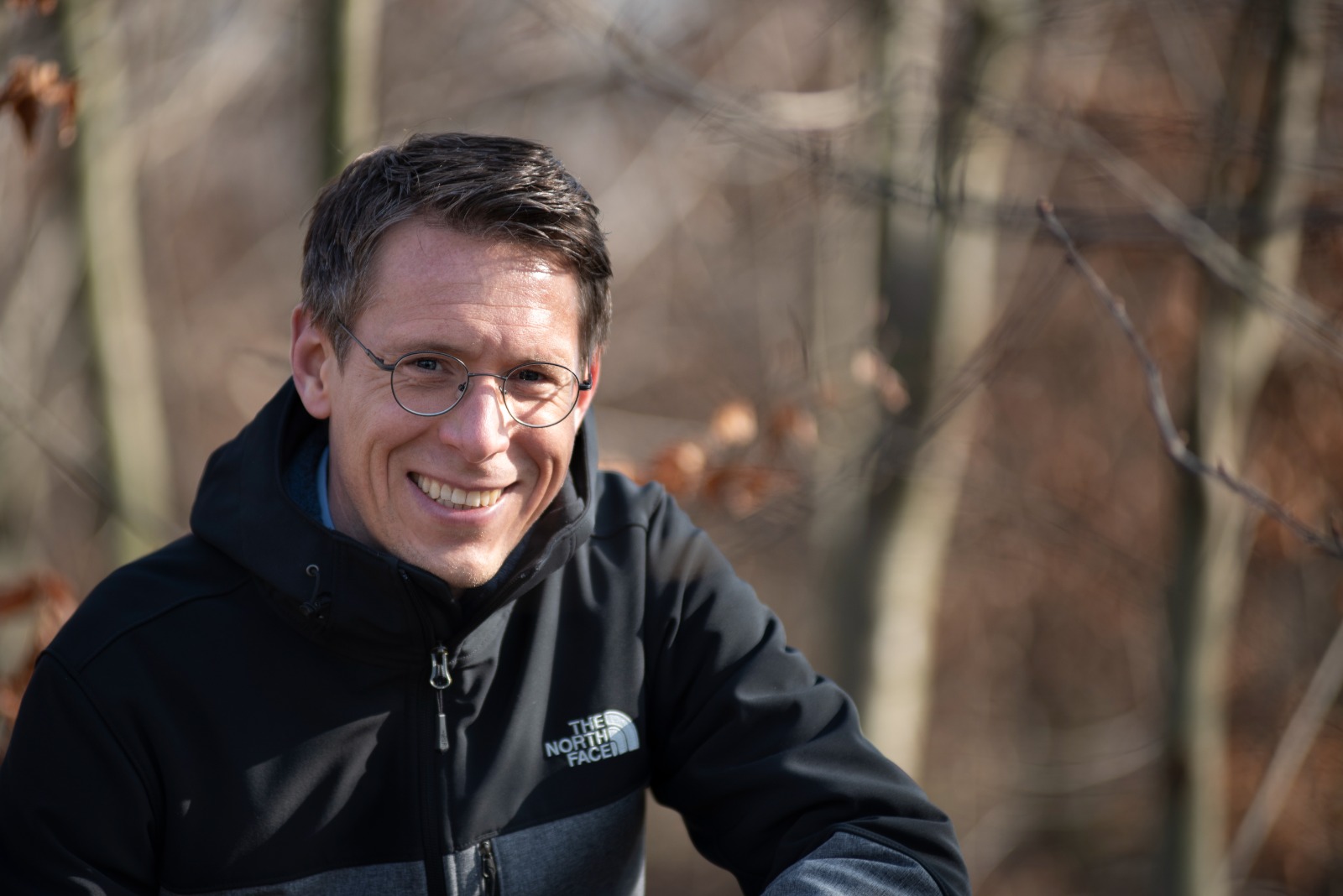
Nico Eisenhauer is a soil ecologist who is broadly interested in the causes and consequences of biodiversity change in terrestrial systems. His work integrates multiple approaches including observational studies, experiments, and data syntheses. As speaker of the Jena Experiment and head of the MyDiv Experiment, he studies how plant diversity influences ecosystem functions via the modulation on the above- and belowground microclimate in grasslands and forests.
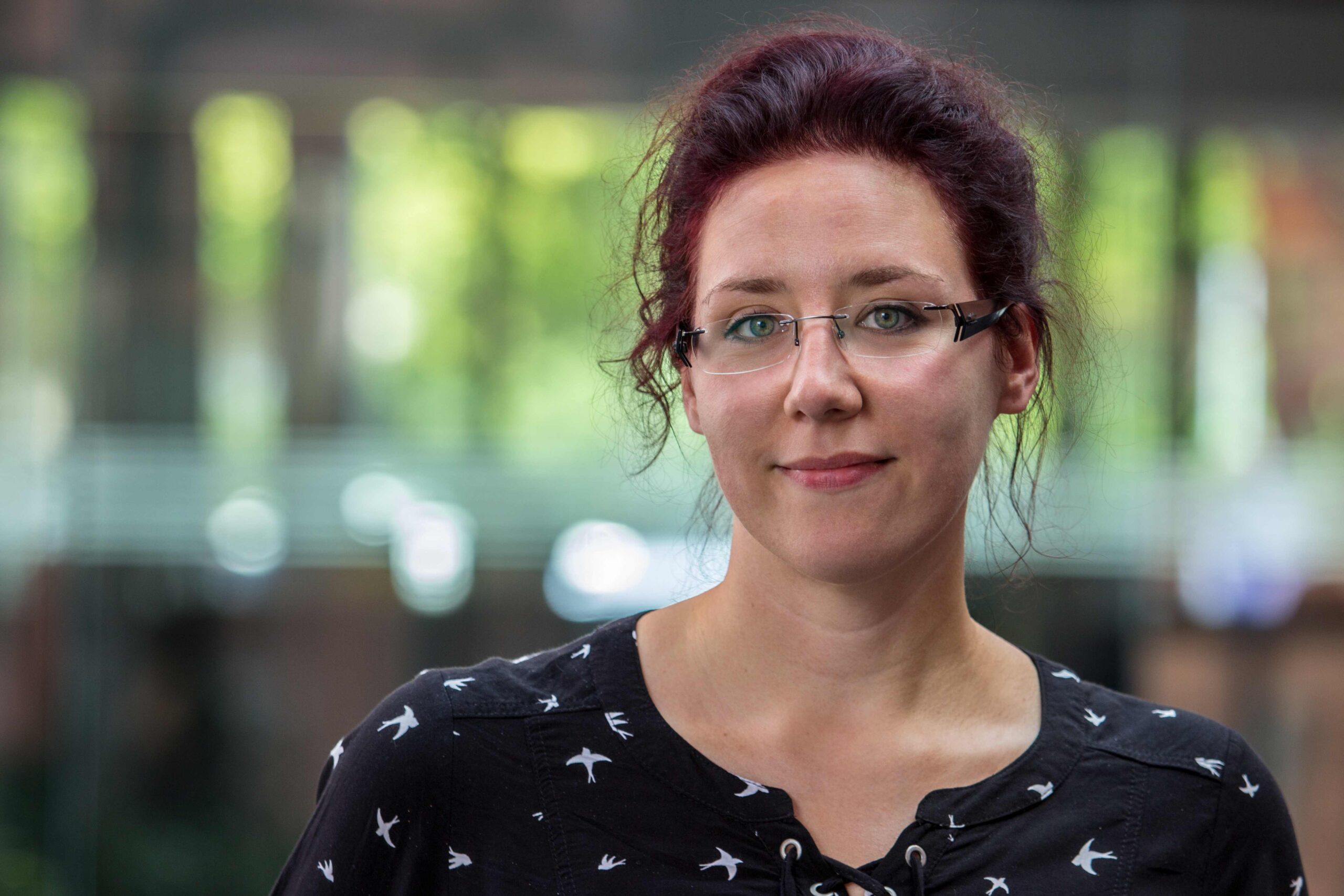
Simone Cesarz is an experimental soil ecologist working within a biodiversity–ecosystem functioning framework. Her research demonstrates that high plant diversity buffers microclimatic conditions. However, the mechanisms by which this buffering shapes soil functions across spatial and temporal scales remain poorly understood. Uncovering these mechanisms is a central focus of her research.
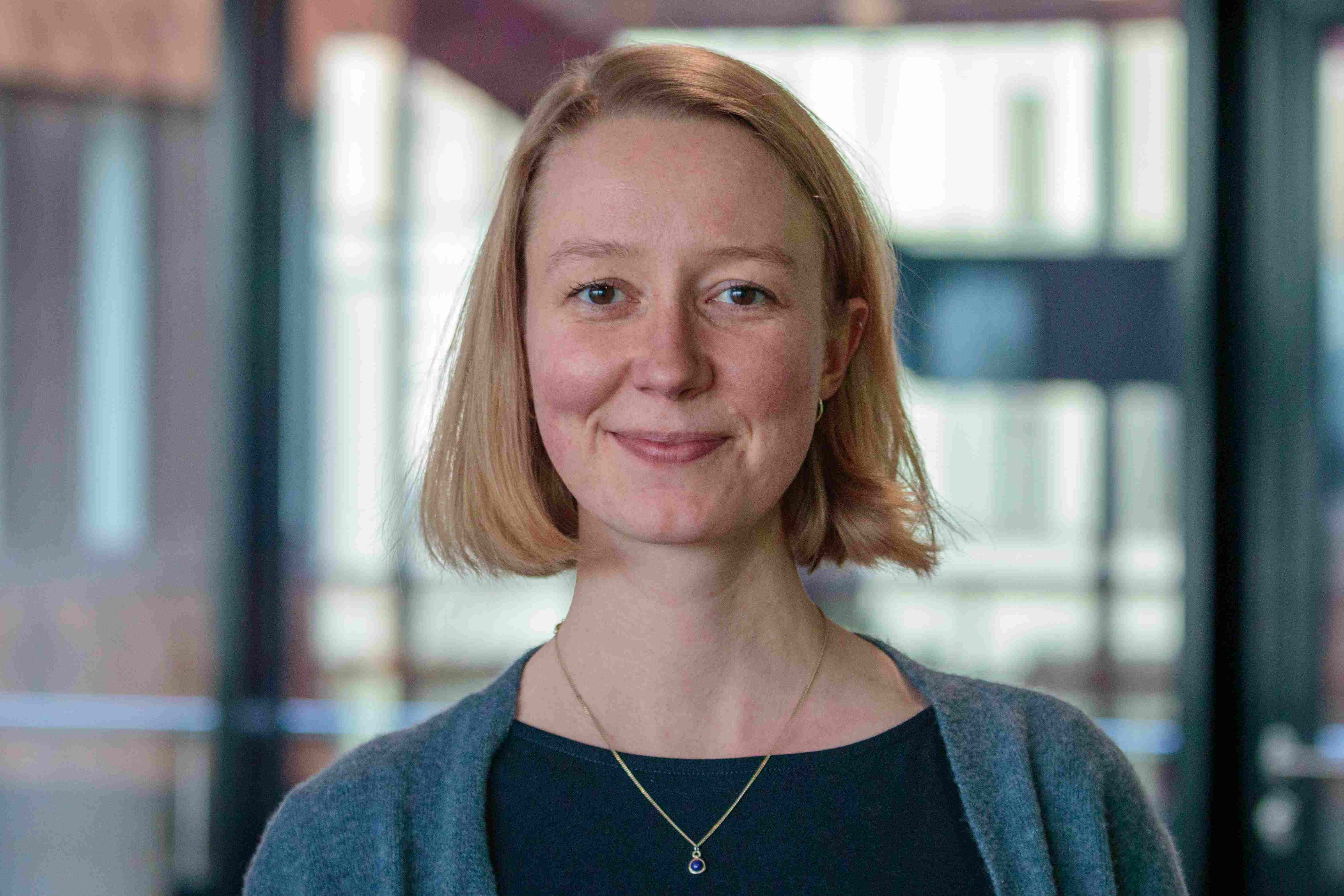
Pia Loeffke is a PhD student in Nico Eisenhauer’s Experimental Interaction Ecology Group who transitioned from soil engineering to ecological research. Her work explores how tree species richness and associations with different mycorrhizal types shape the functioning and stability of soil microbial processes under changing environmental conditions.
Program
Below is a general outline to the conference program – Click here (or scroll to the bottom of this page) to find the details of each session and talk!
- June 1st: Excursion (optional) and Ice-breaker event
- June 2nd – 4th: Conference
- June 4th evening: Conference diner (optional)
- June 5th: Conference & Workshops
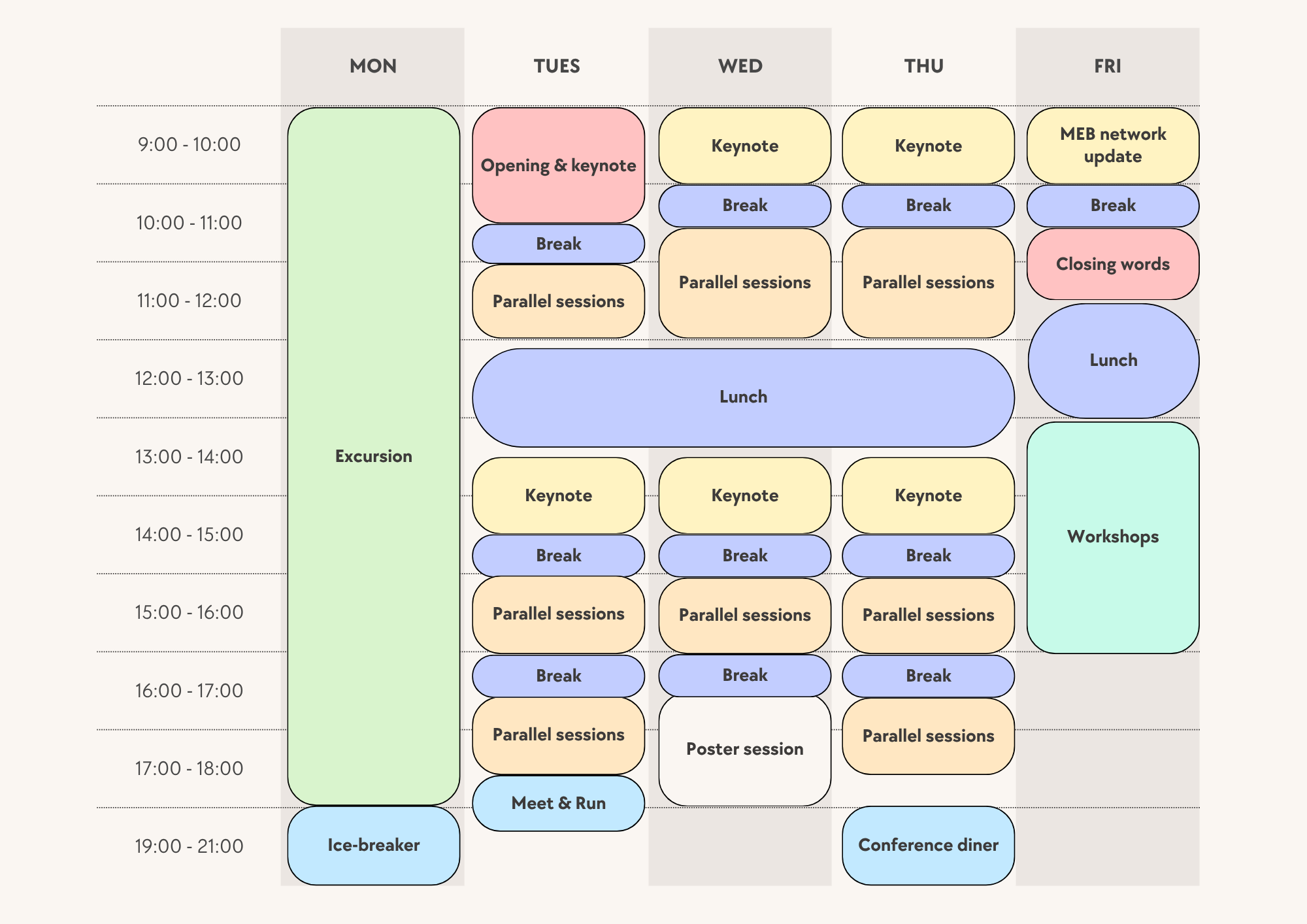
More details in sections below!
Excursion
The optional excursion will happen on the first day of the conference (June 1st). We will leave at 9:00 from Montpellier, and return belfore 18:00. The lunch is included, it will be a full menu at the restaurant Chez Lucienne, with a breathtaking view!
We will take you to three main sites, a high-tech Ecotron, a typical Mediterranean forest and one of the largest European canyon:
For the morning, you will choose either of the two following sites:
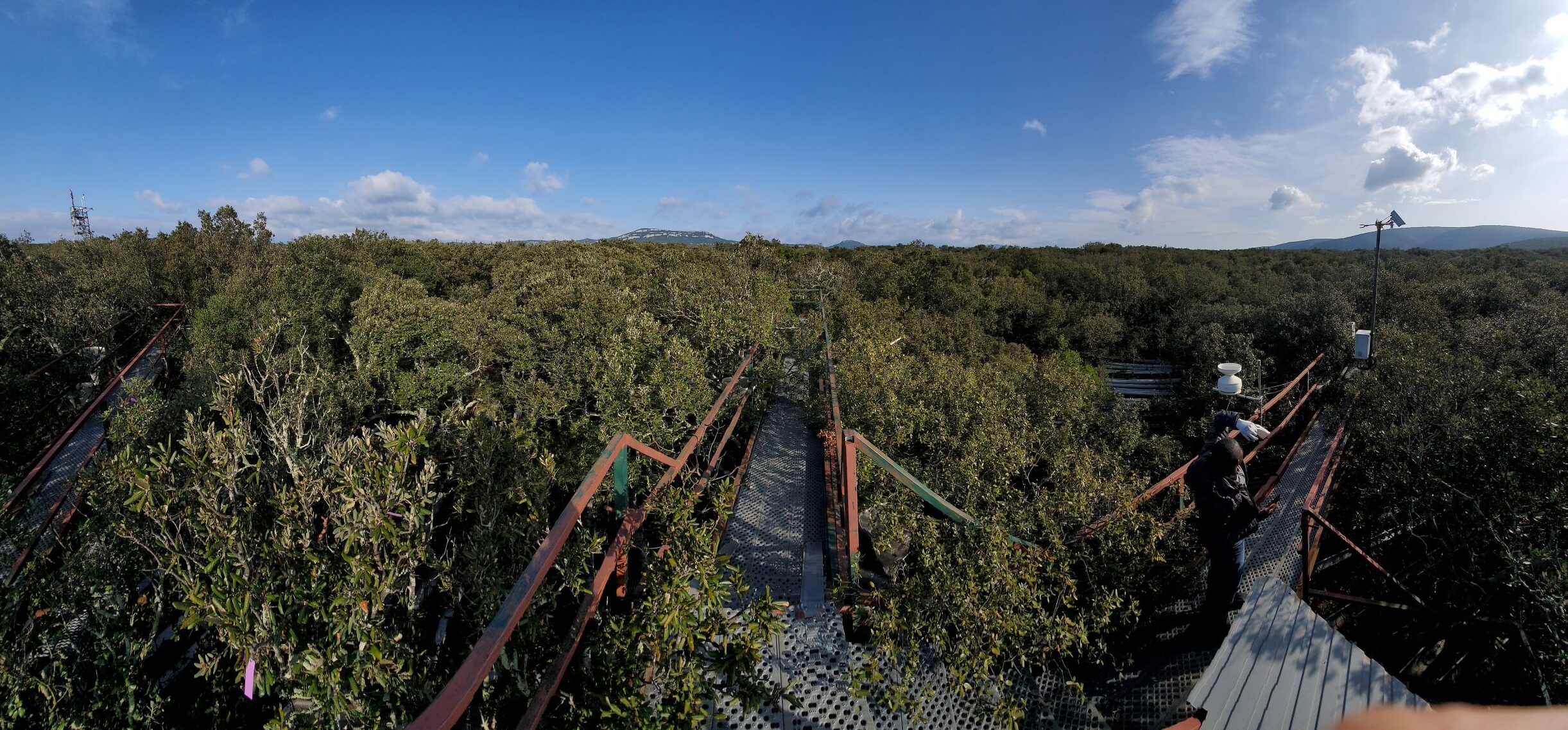
The Ecotron is a support and research unit, open to national and international research teams in the fields of ecology, population and community biology and agronomy. The Ecotron allows the climatic conditioning of ecosystems of different sizes and the online measurement of the flow of matter and energy linked to different ecophysiological processes. This research infrastructure is interfaced between in situ and laboratory experiments. The Ecotron’s research topics include fundamental questions about biogeochemical cycles and the role of biodiversity in ecosystems.
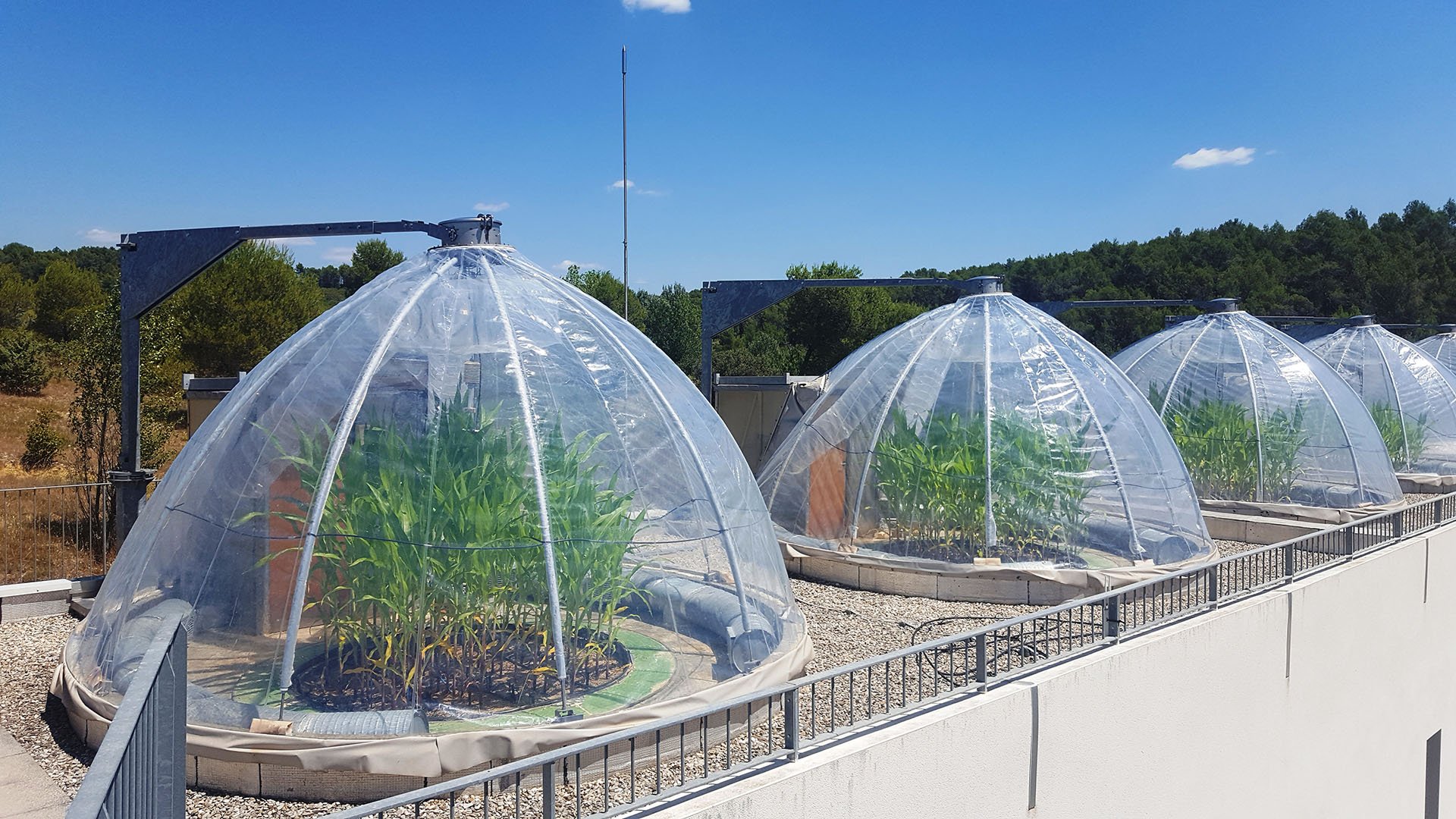
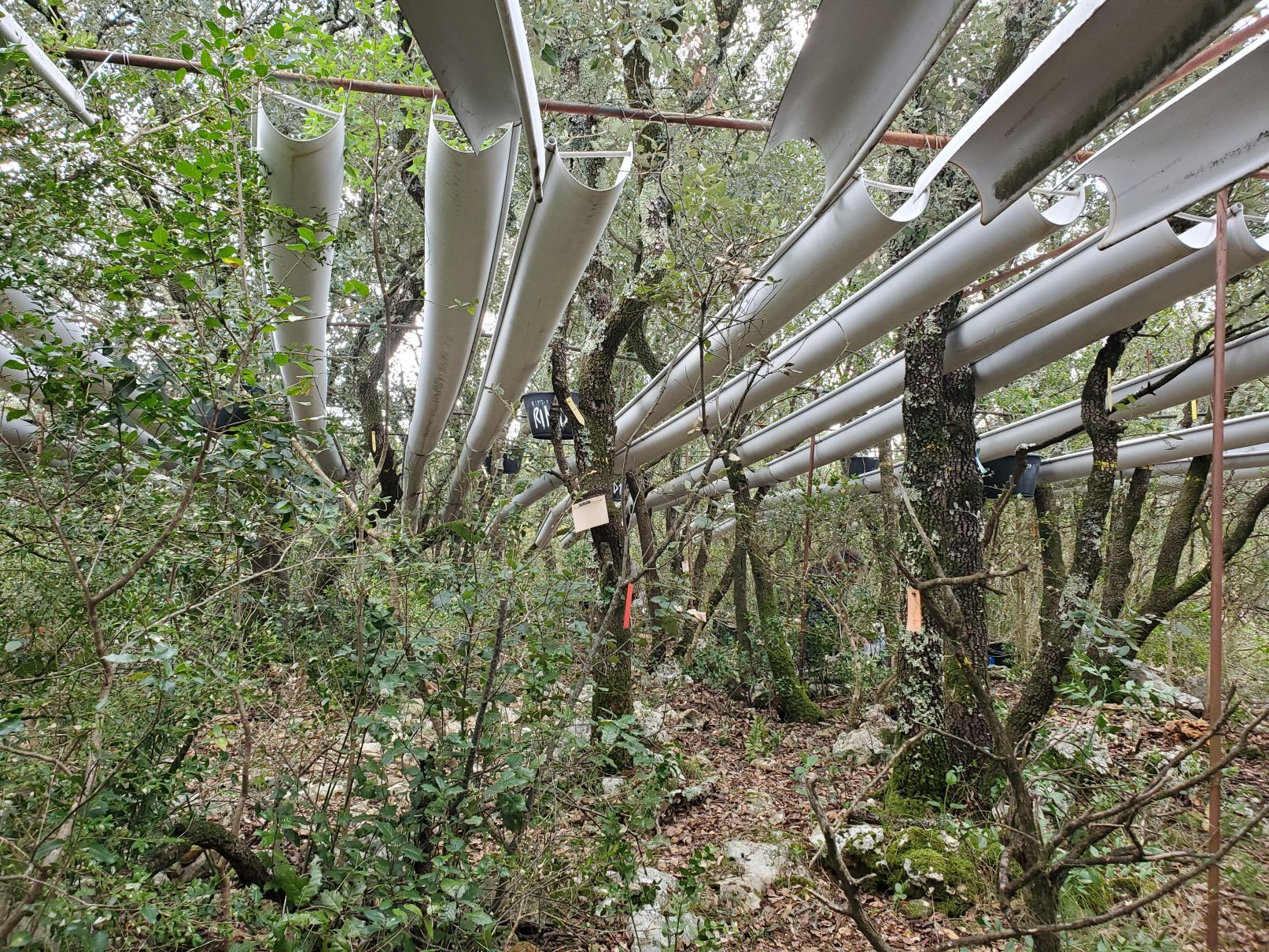
The Puéchabon experimental site is a highly instrumented natural site dedicated to studying all aspects of the functional ecology of a Mediterranean forest ecosystem subjected to climate change. The main research themes addressed encompass the biogeochemical functioning of the ecosystem, tree ecophysiology, forest management, and biodiversity. The Puéchabon site is located in a holm oak forest (Quercus ilex), and is characteristic of evergreen Mediterranean coppices subject to recurrent droughts.
Note that choosing this site instead of the Ecotron above requires the ability to walk for about an hour in the Mediterranean heat.
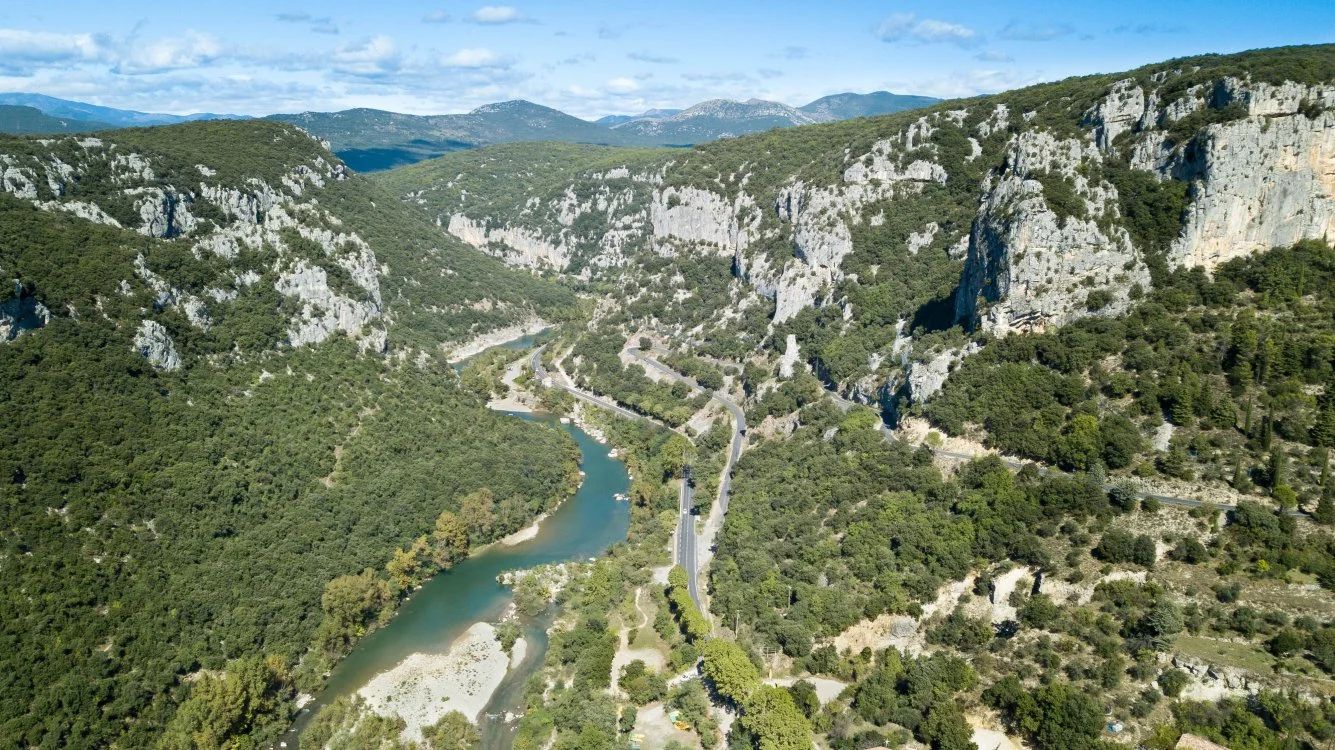
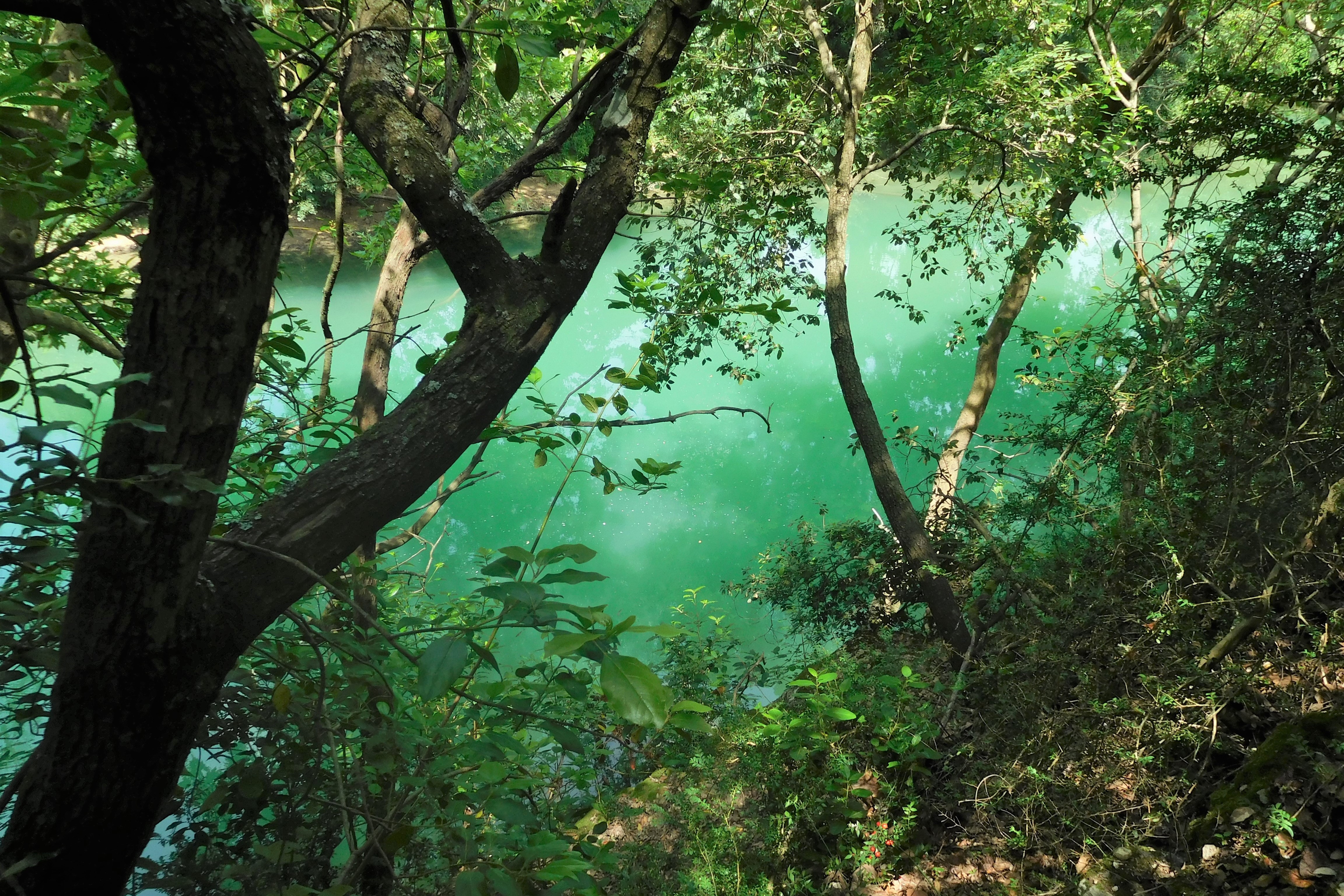
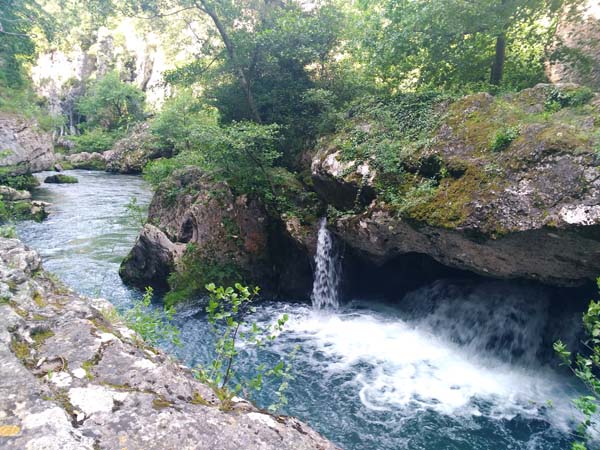
At lunch and in the afternoon, we will head to the Cirque de Navacelles, a geological marvel and an absolute must-see. Nestled in the heart of the Vis gorges, which cut through the limestone plateaus of Blandas (Gard) and the Larzac plateau (Hérault), this verdant meander reaches a depth of 300 meters. We will admire the magnificent panorama and how pastoralism has shaped the landscape, then descend into the Vis gorges, with its refreshing coolness. There, we will follow the Vis river and discuss aquatic and fish ecology.
If you want to swim in the river, take your swimsuit! But beware, the water is around 15°C…
Below, you will find a list of things to bring with you at the excursion ⬇️
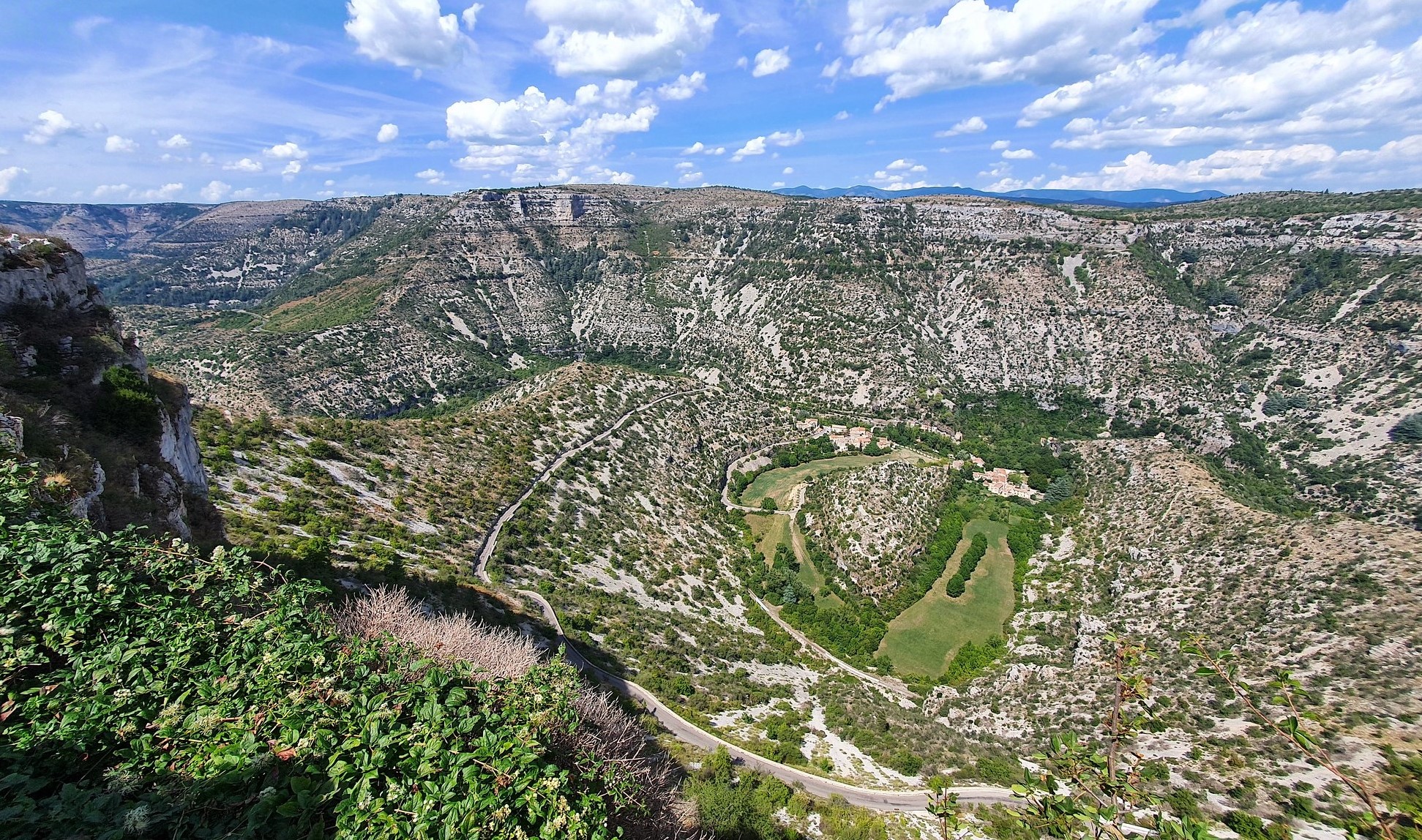
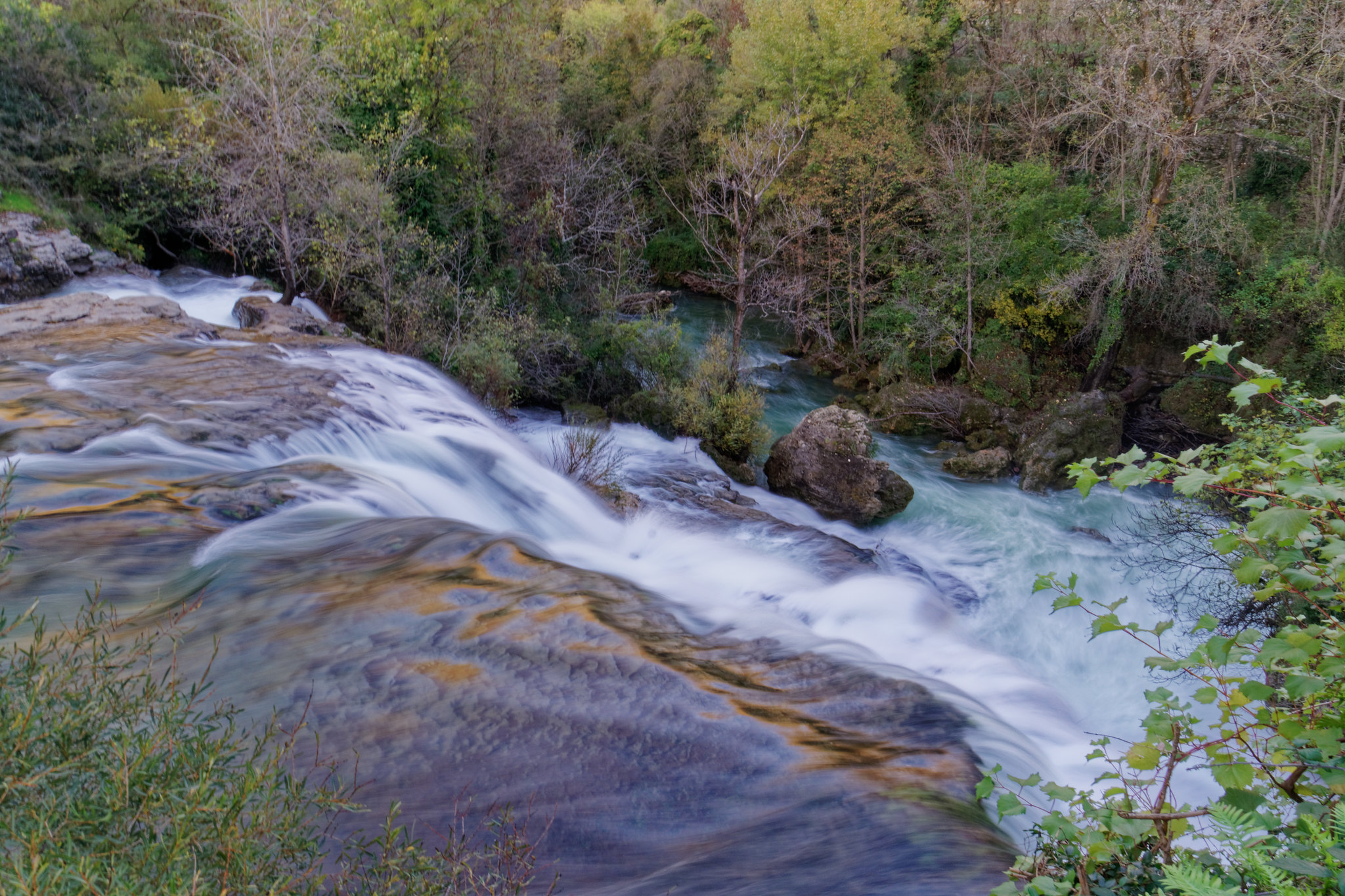
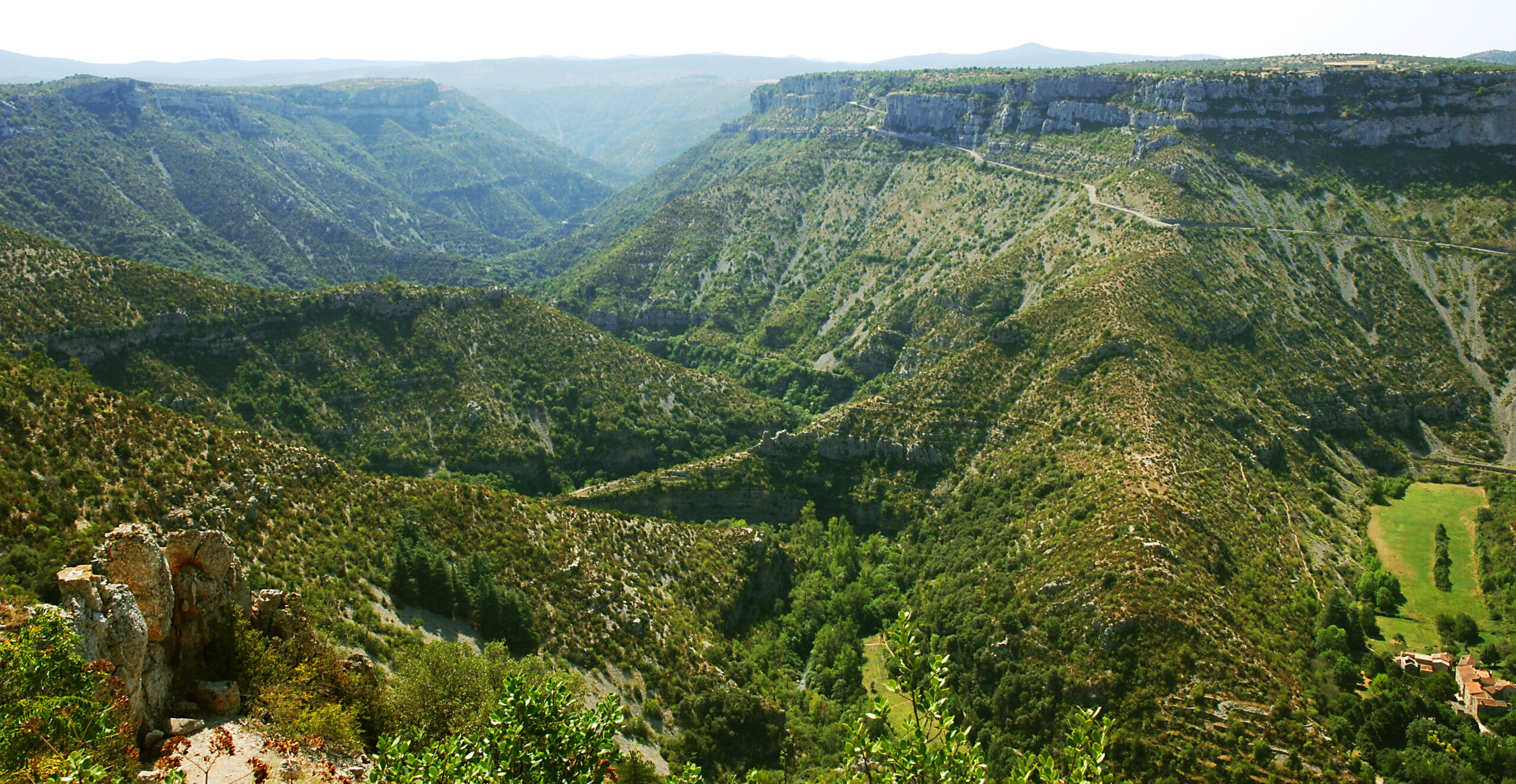
Cirque de Navacelles, by European Roads, Olivier Genieys and Tim Proffitt-White
Things to bring with you for the excursion (this is the Mediterranean biome, June should already be quite warm and sunny!):
– water
– sun screen
– hat
– sunglasses
– protective clothing (long sleeves)
– hiking boots or equivalent
– swimsuit for those who wish jumping in the (cold) water
Talks & Posters
Poster instructions
- Poster size is maximum (and preferably) A0 (84.1 cm x 118.8 cm), in portrait orientation
- Don’t forget to bring your poster with you!
Talk instructions
- Presentation length is 10 min (followed by 3 minutes of questions)
- You can upload you presentation at the registration desk at the event
- Please upload your presentation by the morning of your talk at the latest
Workshops
– Microclimate modelling: NicheMapR in Julia (led by Rafael Schouten and Micheal Kearney for coding in Julia, as well as Ilya Mclean for the R side)
Instructions for tutorial for microclimlearn part:
Manuscript available as a pre-print: https://ecoevorxiv.org/repository/view/13225/
Tutorial here: https://rpubs.com/ilyamaclean/microclimlearn
Package installs:
require (devtools)
devtools::install_github(“ilyamaclean/microclimlearn”)
devtools::install_github(“ilyamaclean/micropoint”)
Latter not essential – only used later in tutorial, but to install it, Windows users will need Rtools installed (matching their R version): https://cran.r-project.org/bin/windows/Rtools/
If you are using a Mac, you will need to start by making sure you have Xcode + developer tools installed. You will need to go here: https://developer.apple.com/xcode/downloads/ and then select the link to the additional downloads page which will prompt you to enter you apple ID.
Instructions for tutorial for Julia implementation of NicheMapR part:
This repository has the code for the workshop https://github.com/BiophysicalEcology/MicroclimateWorkshop
The participants can just watch Micheal Kearney do the demo, but if they want to follow along and try and get set up beforehand they can:
- download the repository
- put it in a folder somewhere
- install Julia and VS Code https://www.julia-vscode.org/docs/dev/gettingstarted/
- open VS Code
- type Alt+J, Alt+O to activate the Julia REPL,
- then do this:
using Pkg # the package manager for Julia
Pkg.activate(@__DIR__) # activate the current directory to be your environment
Pkg.instantiate() # install all the packages in the Manifest.toml file
For those keen to work with Julia, Micheal highly recommends these tutorials:
– theRmalUAV: Processing thermal UAV data in R (led by Christophe Metsu)
Thermal UAVs are increasingly being used in ecological research for their ability to capture fine-scale temperature variation and spatial patterns from a bird’s eye view. This technology opens new opportunities to study microclimates, and the analysis of ecological processes at high spatial resolution. However, effectively working with thermal imagery requires a solid understanding of both the underlying physics and the appropriate correction workflows.
In this hands-on workshop, participants will be guided through the complete thermal UAV data processing pipeline using the theRmalUAV R package. We will discuss key environmental and technical parameters that influence thermal measurements and demonstrate how to correct them. Starting from raw thermal imagery, we will produce processed land surface temperature (LST) orthomosaics. While the thermal corrections will be performed entirely in R, participants will need to use external photogrammetry software to generate aligned and georeferenced image mosaics.
Outline of the workshop:
. Introduction to thermal UAV remote sensing (theoretical background)
. Data acquisition: key considerations
. Package walkthrough using a provided dataset:
. Image-based workflow
. Orthomosaic-based workflow
. Hands-on session (participants’ own data or different dataset)
. Discussion and Q&A
Tropical ecology and biogeography were largely shaped by colonial power, resulting in specific relations to knowledge and fieldwork characterized by reproducing systemic inequalities between Global North researchers and local people. Today, research practices inherited from the colonial period continue to weigh on local inhabitants and researchers through practices such as data and knowledge extraction, power asymmetries and the lack of consideration of the diversity of knowledges. For these reasons, it is imperative that the Global North critically examine the ways in which they conduct fieldwork and how they relate to existing inequalities. While several publications have proposed pathways to decolonize tropical ecology in the last decade, there remains a lack of reflection on how to effectively apply them in the field of microclimate ecology. In particular, there are no spaces for the collective discussions required to implement transformative research together. Drawing from tools in popular education, this workshop proposes to open a safe space for discussion, sharing personal experiences and learning about decolonial practices. In particular, we will dedicate some time to read relevant texts and share how they resonate with our research experiences. Everyone, including people with no research experience in the Tropics, is welcome to join this workshop and help untangle ourselves from entrenched colonial epistemologies.
Icebreaker & Conference dinner
Icebreaker Event
The IceBreaker will be held by the City of Montpellier in the “Salle des Rencontres” at the city hall on June 1st.
- Location: First floor, 1 Pl. Georges Frêche, 34000 Montpellier [maps.app.goo.gl/LKquPpuNBfNB6ji97]
- Transportation: Tram 1 or 3 (Moularès Hôtel de Ville) or Tram 4 (Georges Frêche – Hôtel de Ville)
- Time: 19:00 – 21:00
Conference dinner
On Thursday (June 4) evening, the conference dinner will take place at Les Tables Paysannes, in Halles du verger.
In this restaurant, you will taste a gourmet and responsible cuisine led by Chef Bertrand Dubois. To fully enjoy the early summer season -already quite warm in Montpellier- we will sit outside near the orchard (peach, apricot, cherry, apple and almond trees).
Expect local food delicacies & a surprise evening entertainment!
Cost: 50€

Venue & Travel
Venue
The conference will take place at the Faculty of Science, building 5, in Montpellier University: here!
Faculté des Sciences de Montpellier, 30 Pl. Eugène Bataillon, 34095 Montpellier FRANCE
This place is easy to reach by public transportation, choose either:
– Line 1 of tramway, the blue one with birds below, stop at “Université Montpellier – Triolet”)
– Line 5 of tramway (Pôle Chimie Balard)
– Bus 13 (École de Chimie)
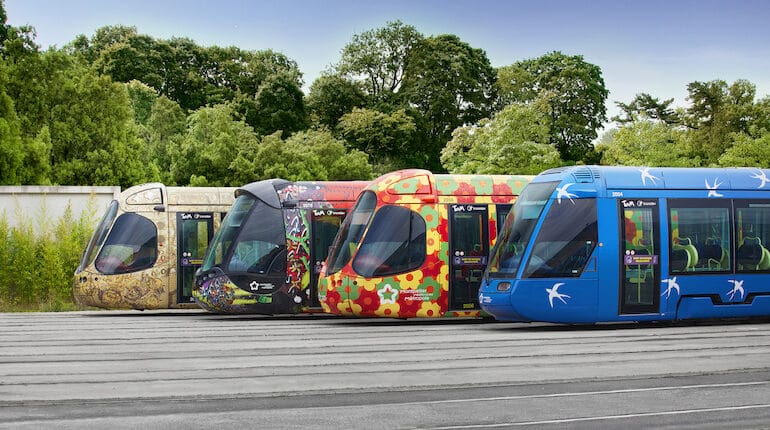
Tam ©Yannick Brossard
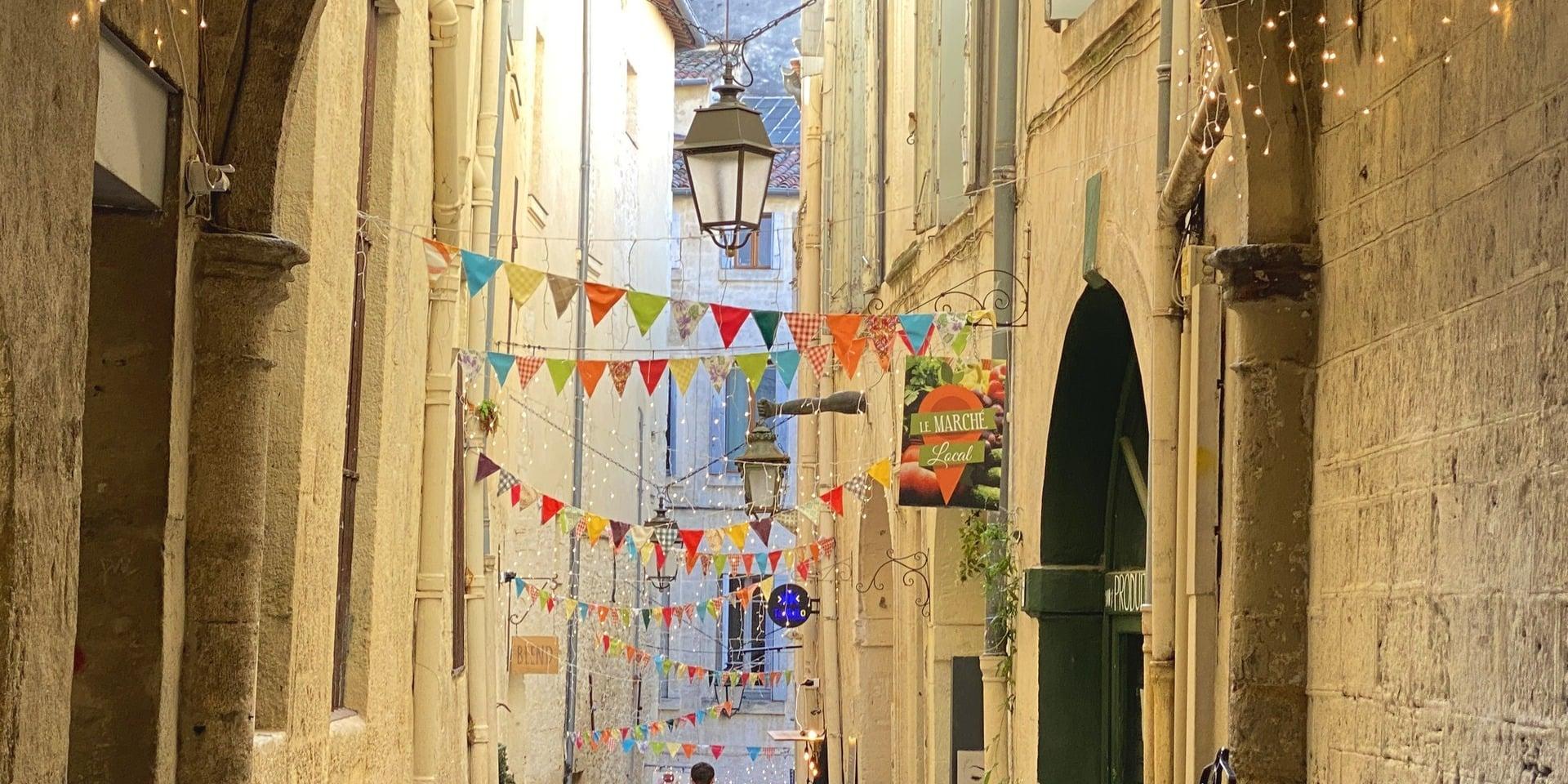
Montpellier is a Mediterranean city renowned for its ecological research, sun & tourism!
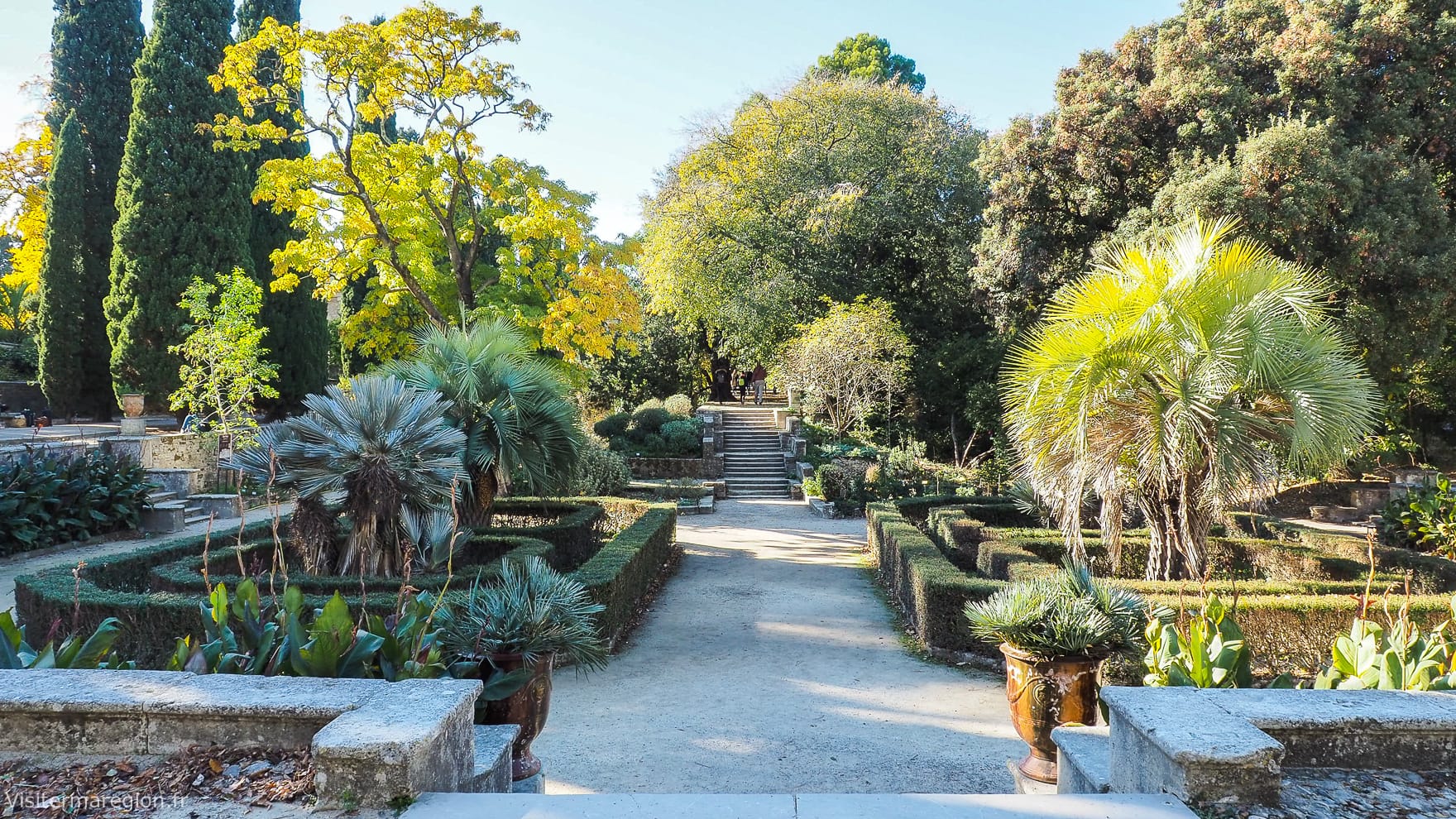
Note that in the city center, you may visit the oldest French botanical garden (Jardin des Plantes)… For more ideas on how to enjoy your stay, have a look at the city must-sees and this dedicated website.
Travel
Montpellier has an airport, and two train stations. “Montpellier Saint-Roch” train station is located in the city centre, while “Montpellier Sud de France” is further away (tramway to get to the centre). Find out more about travelling to and within Montpellier here.
Organisers
Scientific committee
- Juha Aalto, Finnish Meteorological Institute & University of Helsinki (Finland)
- Pieter De Frenne, University of Gent, (Belgium)
- Julia Kemppinen, University of Oulu (Finland)
- Jonas Lembrechts, University of Antwerp (Belgium)
- Miska Luoto, University of Helsinki (Finland)
- Pekka Niittynen, University of Jyväskylä (Finland)
- Koenraad Van Meerbeek, KULeuven (Belgium)
- Jonathan Lenoir, EDYSAN-CNRS (France)
- Rémy Beugnon, iDiv (Germany), CEFE-CNRS (France), University Leipzig (Germany)
- Felix De Tombeur, CEFE-CNRS (France)
- Eva Gril, Chrono-environnement, Université Marie et Louis Pasteur (France)
- Stephan Hättenschwiler, CEFE-CNRS (France)
- Marine Zwicke, University Montpellier (France)
Organising committee
- Rémy Beugnon
- Felix De Tombeur
- Eva Gril
- Stephan Hättenschwiler
- Nolwenn Le Guyader
- Marine Zwicke
Volunteers
We recruited students from Montpellier University to help us organise the event, and contribute scientifically as well.
Contact
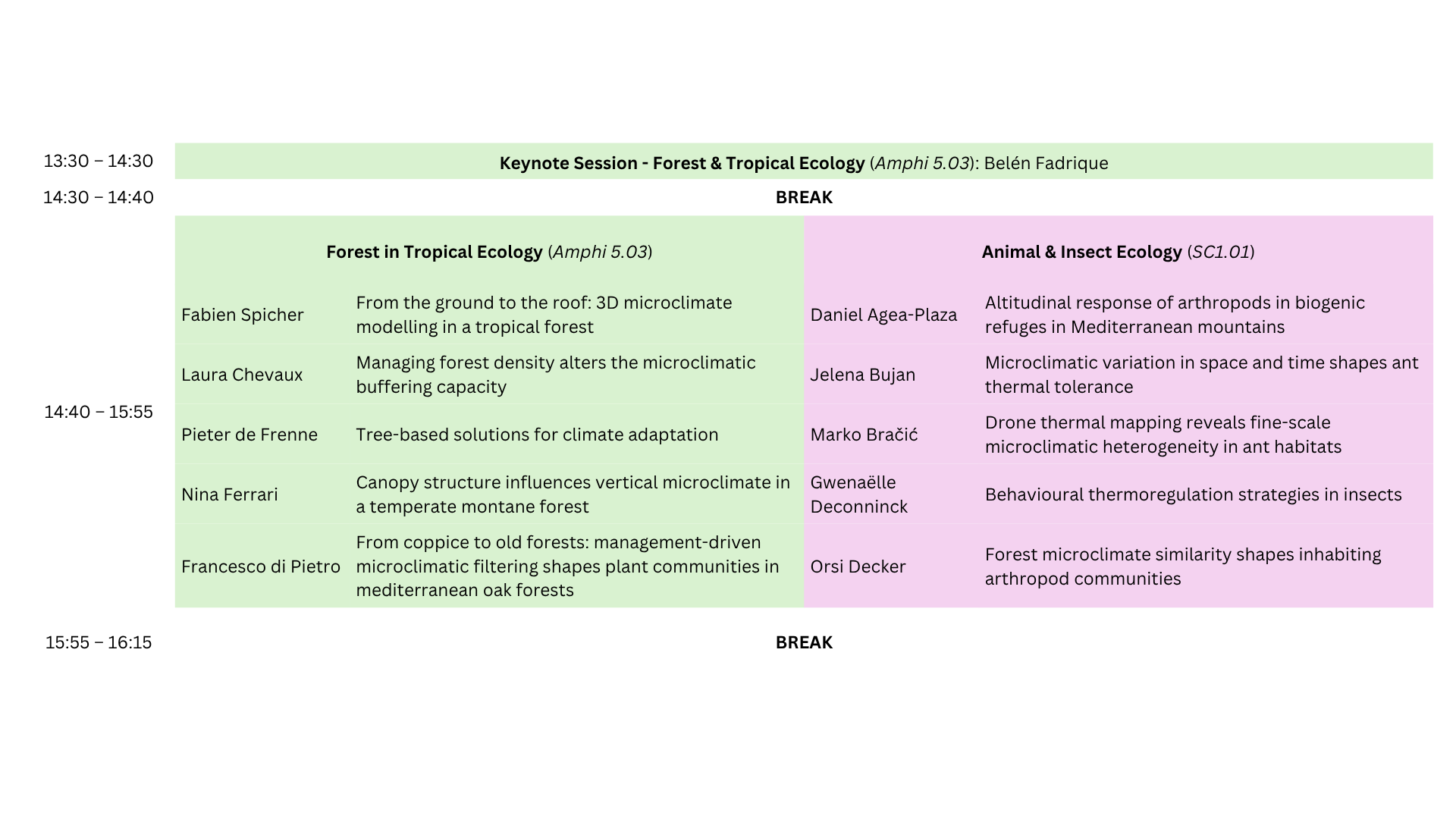
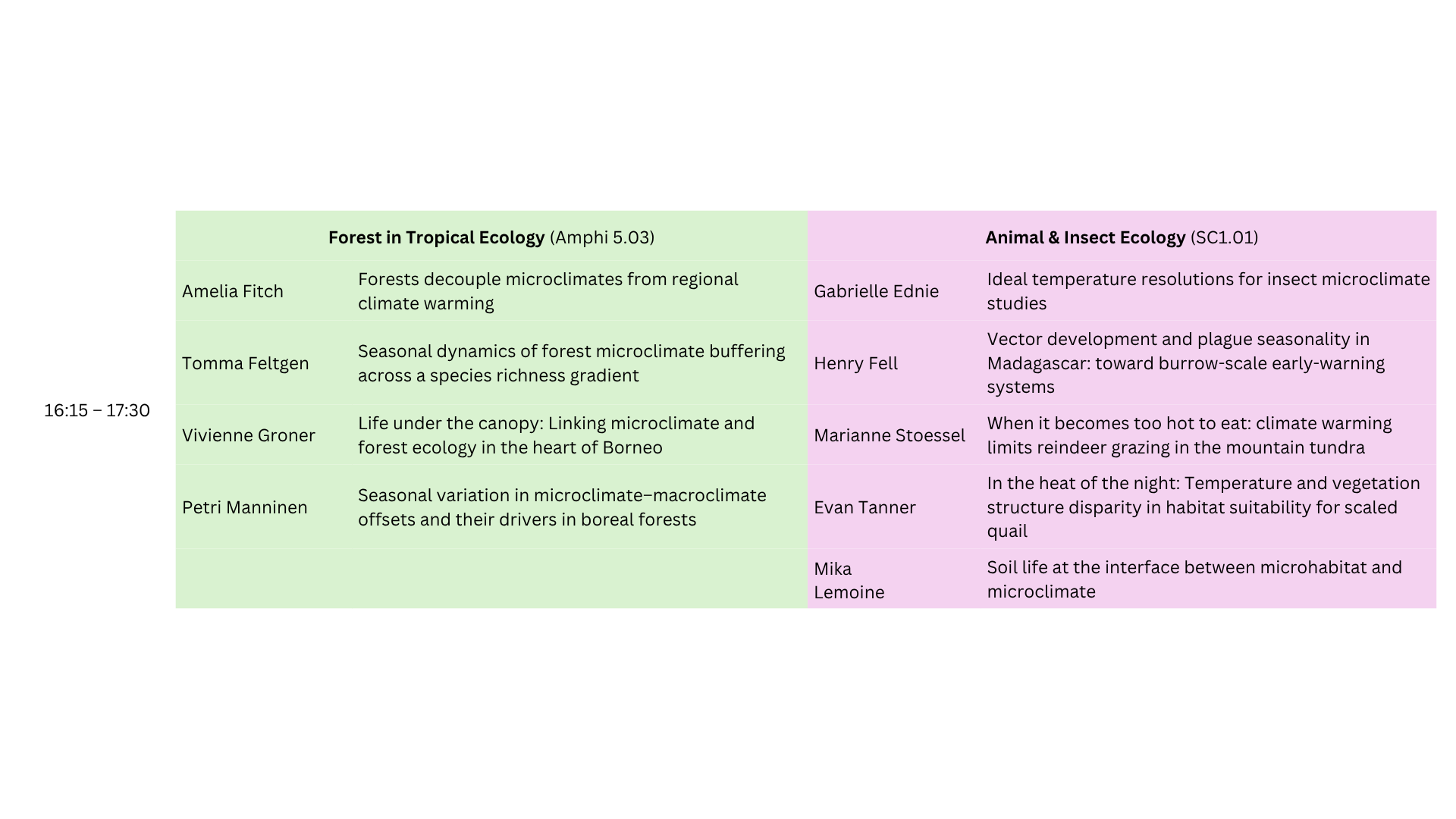
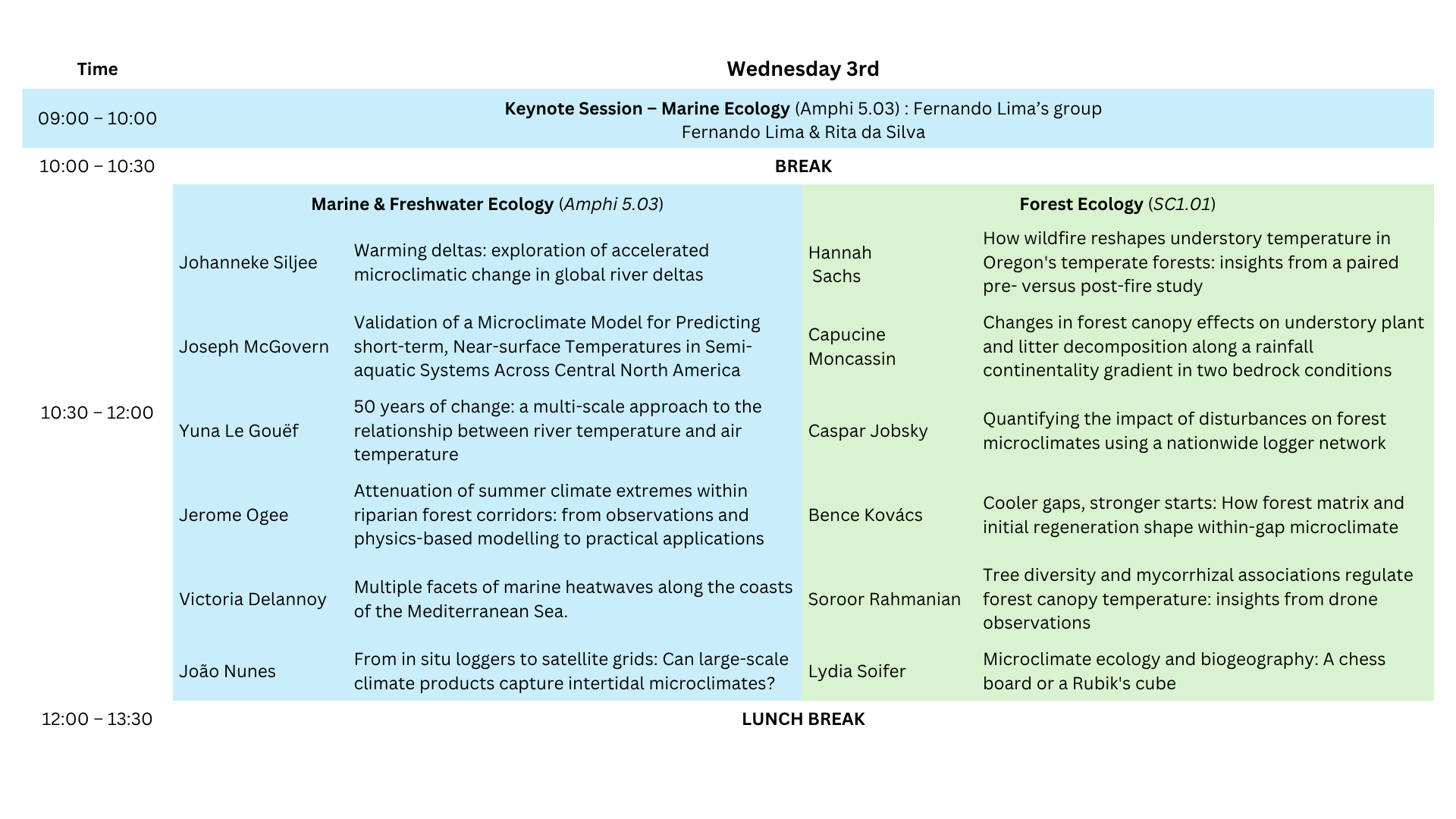
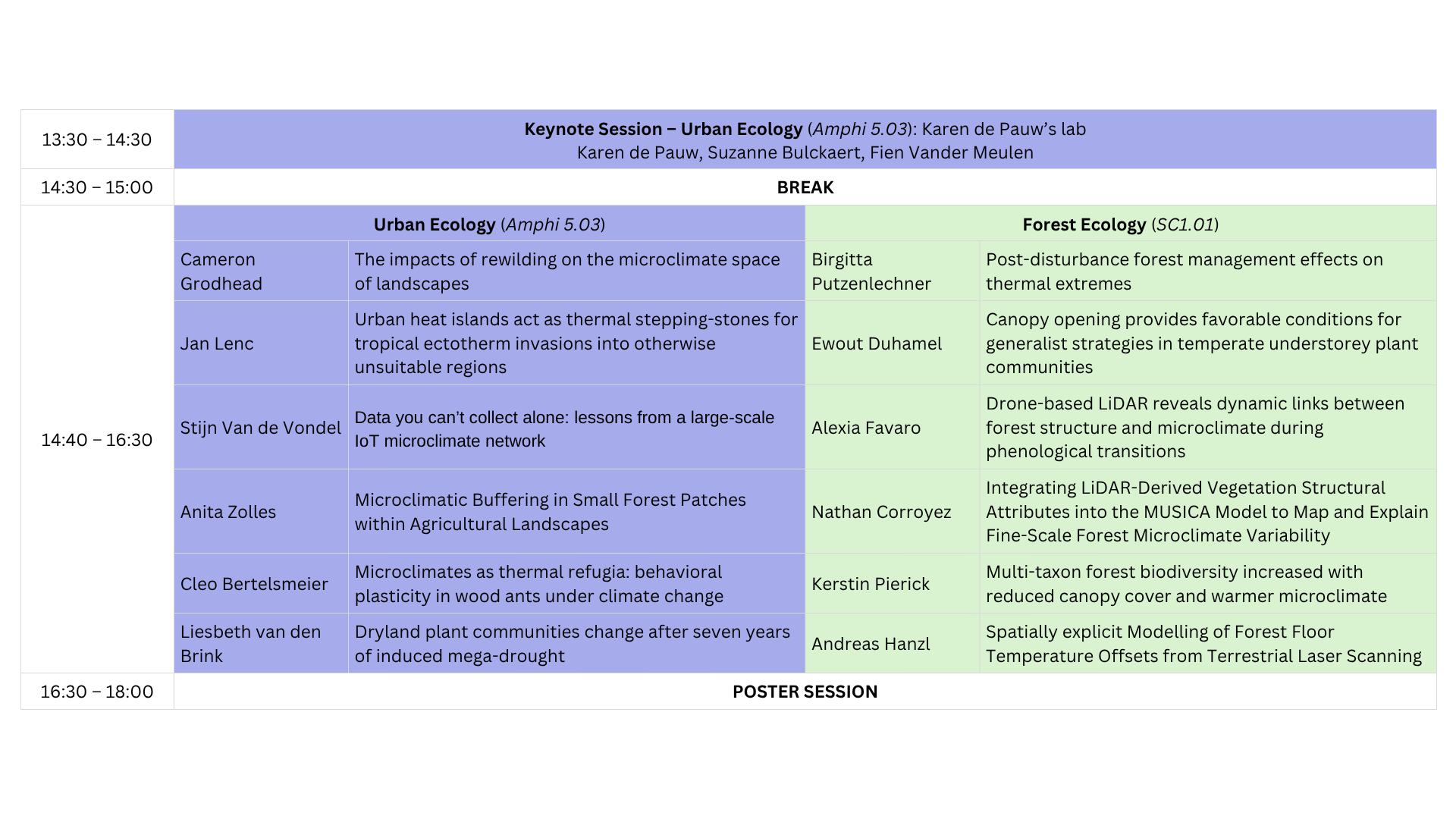
Here is the full program!
With the support of...